These records are found in the online catalog of The Mariners’ Museum and Park in Newport News, Virginia. Uncurated search results are presented to give researchers and interested readers an idea of whether the museum’s archives contain information about this vessel and whether it may be worthwhile to visit the museum’s catalog search page for further investigation. Uncurated results may be inaccurate or incomplete.
Mariners Museum online catalog search, July 12, 2026. Search phrase: "Albatross". Catalog returned 86 records; this selection table includes 86 records fetched through catalog result pages.
Use these buttons to send uncurated search results to your own app or text document for further research. First, check the box for any row, or click "Select All" then uncheck any rows. Then click "Show Selections". You can then copy your selections from the text box and past them into your app.
WRITTEN ON VERSO: FORMERLY EMPIRE GALENA, WESTERTROM, BUILT 1943, AT ANTWERP BY JOHN COCKWELL S.A. OWNED BY GENERAL STEAM NAVIGATION COPMPANY ,LIMITED 2020T, 301.1 X 44.5 X 18.3 . RENAMED PORT CAPETOWN, FRONTIER
NO. 1828.H92-6-8-08 WRITTEN ON VERSO: ALBATROSS (TUGBOAT) BALTIMORE, MARYLAND. BUILT 1908, AT BALTIMORE, BY THOMAS MCCOSKER & SON. OWNED BY P. DOUGHERTY CO. 286 TONS. 141 X 25.6 X 14. NAUTICAL GAZETTE, 34 W. 33 STREET, 7-9-08, PAGE 13.
Steam trawler
Starboard bow quarter of tug underway in harbor. Crew seen on deck. Photo featured in the Nautical Gazette, 7-9-08, on page 13.
WRITTEN ON VERSO: BUILT 1918 AT SOUTH PORTLAND BY PORTLAND STEAMBOAT COMPANY.OWNED BY CONSOLIDATED FISHERIES COMPANY. 372 T, 149.8 X 25 X13.2. WRECKED OCRACOKE ISLAND. FEBRUARY 21, 1940
Steam trawler
Starboard side view underway in harbor. Docks in background.
ON VESSEL: QUEEN AND CRESCENT WRITTEN ON VERSO: ALBATROSS (SW TRANSFER) BATON ROUGE, LOUISIANA. BUILT 1907, AT DUBUQUE, IOWA, BY THE DUBUQUE BOAT & BOILER WORKS FOR THE LOUISIANA & MISSISSIPPI RAILROAD TRANSFER COMPANY. 1,313 TONS. 365.0 X 53.8 X 7.6
Ferries
Ferry for carrying railroad cars docked. Crew seen sitting on chairs at deck's edge. Transfer steamer.
NO. 1827.H92. 6-8-08 WRITTEN ON VERSO: ALBATROSS (TUGBOAT) BALTIMORE, MARYLAND. BUILT 1908, AT BALTIMORE, BY THOMAS MCCOSKER & SON. OWNED BY P. DOUGHERTY CO. 286 TONS. 127 X 26.1 X 13.8
Descriptions of new fishes obtained by the United States Bureau of fisheries steamer "Albatross," chiefly in Philippine seas and adjacent waters - by Henry W. Fowler
Proceedings of the United States National Museum ; v. 81.
Sponges–Pacific Ocean; Hexactinellida.
Report on the hexactinellid sponges collected by the United States fisheries steamer "Albatross" in the northwestern Pacific during the summer of 1906 - by Yaichiro Okada
Smithsonian contributions to knowledge ; v. 30-31 - Publication (Smithsonian Institution) ; 981, 982.
Marine animals–Atlantic Ocean
Published at the joint expense of the Smithsonian Institution and the United States National Museum. Issued also as U.S. National Museum. Special publication no. 2.
Alfred Goldsborough Mayor, born April 16, 1868, was a respected marine biologist. Mayor worked with the Brooklyn Museum as a curator in the 1890’s. In late August 1899, Mayor joined a scientific expedition to the western Pacific with Alexander Agassiz aboard the U.S. Fish Commission steamer Albatross. On this expedition he and his crew studied and collected specimens of land snails, butterflies and moths, and jellyfish from the Marquesas Islands, the Tuamotu Archipelago, Tahiti, the Cook Islands, Tonga, Fiji, and the Caroline Islands, among others. While on this trip Mayor kept a journal and produced additional watercolors. Several of those watercolors are cataloged in the object collection as 1934.0097.1-10. Later, he directed and founded the first marine biological laboratory in the Western hemisphere for the Carnegie Institute, the Carnegie Marine Biological laboratory. In 1911 Goldsborough Mayor traveled upon the MV Anton Dohrn to Dry Tortugas, Florida, where the laboratory was located. Mayor also served as a war time lecturer on navigation to the US Naval Training Unit at Princeton University. Alfred G. Mayor died of tuberculosis on 24 Jun 1922, aged 54.
SHORT DESCRIPTION: Watercolor drawing by Alfred G. Mayor (Mayer) showing the structure of the hull and outrigger of a sailing canoe of Ponapi (Pohnpei) in the Caroline Islands. NOTES: The drawing was completed while Mayor was on board the USFC Albatross which is why the location of manufacture has been identified as Pohnpei. NOTES: [Notes on the Boats, Apparatus, and Fishing Methods Employed by the Natives of the South Sea Islands, and Results of the Fishing Trials by the Albatross, by A. B. Alexander, pages 794-796] According to Alexander the Albatross dropped anchor in Kiti Harbor, Ponapi Island on February 11, 1900. The Ponapi canoe is similar in size to those of the other islands. All the canoes examined we dugout canoes. The interior of the canoe is fitted with thwarts that are flush with the gunwales and dovetailed in. The crosspieces and framework of the outrigger differ from those of any canoe previously seen. Along with middle stanchions these canoes also have a set of three on each end. The end ones, instead of being fastened to the frame are attached to a brace which projects from the side at either end. The braces start from the side of the canoe at a sharp angle, meeting in the center of the outboard end of the outrigger frame. The end stanchions are composed of withes, projecting out horizontally from the brace to a point directly over the float, then bent at a right angle downward and fastened to the float. The platform that covers the middle of the canoe is braced and counterbraced, and set low. On different parts of the outrigger frame, particularly on the float where the stanchions join, are fancy cross-seizings of cocoanut fiber thread. Some are to give additional strength, and others are purely ornamental. [Notes from Canoes of Oceania, Volume 1, The Canoes of Polynesia, Fiji, and Micronesia, pages 404-407] The canoes of Ponape (called wuar or var) are lightly constructed dugouts with a straight bottom for much of its length, transversely it rounds sharply and is without a keel. The stem commences to turn up abreast of the fore end of the long float, extending out gracefully, slightly flaring at the extreme end, but fairly sharp where it enters the water. The stern runs in the same manner to form an overhang. At the center is a platform that continues outboard on the outrigger side over the booms. Ponape canoes have a highly specialized and exceptionally ingenious type of outrigger. It is single consisting of two main booms (kiai) connected indirectly to an exceptionally long float (tam). Midway between the two main booms is a third or false boom, parallel with them. Each of the true booms is attached to the float by several obliquely running inserted stick stanchions (rak). To brace the frame a strong pole (tokowar) stretches from near each end of the canoe in a sweeping curve to meet its fellow spar between the outer ends of the two main booms; strong lashing secures each tokowar to its respective boom. Additional support is given to the framework by two longitudinal stringers running parallel to the canoe. The ends of both are lashed to the two tokowar at the points where they cross. A novel feature has been added to the frame in the form of several accessory connectives consisting of elbowed withies (apic) which connect each tokowar with the float. Each of these withies projects horizontally from the tokowar to which its inner end is lashed, immediately crosses the inner stringer near its end, is lashed also thereto, and thereafter extends, still horizontally, to a point directly over the float; here it is bent downward at a right angle and its pointed extremity is inserted into the upper surface of the float. NOTES: The watercolor drawings QW986-988 and QW 993-999 were created by Alfred Goldsborough Mayor during an expedition to the South Pacific aboard the United States Fish Commission ship ‘Albatross’ between August 23, 1899 and March 4, 1900. The expedition was organized by marine zoologist and oceanographer Alexander Agassiz who was the director of the Museum of Comparative Zoology (MCZ) at Harvard. It was the second expedition on the Albatross to the islands and atolls of the South Pacific and the purpose of the expedition was to investigate coral island and reef formation. Accompanying Agassiz was Alfred Goldsborough Mayer (1868-1922) [On August 5, 1918 the family name was changed from Mayer to Mayor.] an expert in jellyfish and comb jelly taxonomy and an assistant at MCZ. Albatross sailed from San Francisco on August 23, 1899. For the next eight months the expedition steamed through the South and Central Pacific, visiting the Marquesas, Paumotu, Society Islands, Cook Islands, Tonga, Fiji, Ellice, Gilbert Islands, Marshall Islands, Caroline Islands and the Mariana Islands. The ship’s crew made numerous soundings and collected specimens from as deep as 4,137 fathoms, the deepest haul on record at the time. The Albatross also sounded a vast underwater basin in the central Pacific, which Agassiz named "Moser Deep" in honor of the ship’s commander, Jefferson Moser. Albatross arrived in the Marquesas on September 14, 1899 and on September 27th arrived in Papeete, Tahiti in the Society Islands. After spending a week there the ship headed back to the Tuamoto Archipelago where it made numerous deep sea trawls over the next six weeks. The ship was in Tahiti again between November 6th and 13th. During that visit Mayer and two associates collected 735 specimens of the snail Partula. Mayer also studied butterflies and moths and photographed “the tropical forest and natives.” On November 21st the expedition trawled around the Cook Islands and four days later did the same around Tonga. Albatross sailed to Fiji on December 7th and remained in the area until the 19th. The expedition then moved on to the Ellice Islands (Tuvalu) and Gilbert Islands. From January 17th to February 7, 1900 the exhibition worked around the Marshall Islands and then moved on to the Caroline Islands, Guam, and the Ladrones (now the Northern Marianas). The expedition ended in Yokohama on March 4th. Throughout the trip Mayor took many photographs of the indigenous peoples he encountered and kept a detailed journal to record his observations about them—and apparently their canoes.
KOSRAE - CAROLINE ISLANDS - FEDERATED STATES OF MICRONESIA - Artist
SHORT DESCRIPTION: Watercolor drawing by Alfred G. Mayor (Mayer) showing the structure of the hull and outrigger of a canoe at Kusaie (now Kosrae) Island in the Caroline Islands. NOTES: The drawing was completed while Mayor was on board the USFC Albatross which is why the location of manufacture has been identified as Kusaie Island, Caroline Islands. A portion of Mayor's drawing appears on page 403 of Canoes of Oceania. NOTES: [Notes on the Boats, Apparatus, and Fishing Methods Employed by the Natives of the South Sea Islands, and Results of the Fishing Trials by the Albatross, by A. B. Alexander, pages 818-823] According to Alexander the Albatross left the Marshall islands on February 5, 1900 and proceeded to Kusaie, the eastern most island in the Caroline group, a little over 400 miles from Jaluit. They anchored in Port Lottin, the southernmost harbor on the island. All of the canoes they observed were dugouts (called waag or oak). Most of the harbor canoes were propelled by poles, some were fitted with sails. The dugouts have considerable thickness at the bow and stern to give them strength; they are round bottomed, straight fore and aft, and 2 to 3 inches wider at the turn of the bilge than at the gunwale. Besides the thwarts there is a wide piece of board fitted across the gunwales through which the mast is stepped, the step consisting of a piece of wood with a hole mortised in it and nailed to the bottom of the canoe. Two straight booms cross the hull and are secured to the gunwales by lashings. They project outboard only on the outrigger side. The float of the outrigger is not much shorter than the canoe itself and upturned on the ends (to prevent them catching under logs, limbs, and twigs when used in a stream. [Notes from Canoes of Oceania, Volume 1, The Canoes of Polynesia, Fiji, and Micronesia, pages 401-406] Two modern types of canoes exist, both dugout canoes used solely in the harbor, the streams, and the lagoons. The dugout hulls are round-bottomed, straight fore and aft, and a few inches wider at the turn of the bilge than at the gunwale. Both ends are sharp and either both are low or one is upturned and pointed and the other low. Most of the canoes are propelled by poles or paddles, but some of the larger are fitted for sailing. In the larger canoes a number of thwarts are inserted below the gunwale. There is a central platform [in Mayor’s drawing the platform is made of crosspieces]. In larger canoes, unequally forked connectives with upright main stems are attached to the sides of the booms. There are two fore-and-aft stringers are lashed to the booms and extend several feet beyond the booms. Two each end are lashed the two branches of a supplementary forked connective (pictured on page 403); thus, although there are only two booms, there are four forked connectives. These larger canoes are usually rigged for sailing, but as the mast is stepped through a hole in the thwart, forward of the center, and as the sail used is a European type, it is evident this is a modern innovation unrelated to indigenous custom. NOTES: The watercolor drawings QW986-988 and QW 993-999 were created by Alfred Goldsborough Mayor during an expedition to the South Pacific aboard the United States Fish Commission ship ‘Albatross’ between August 23, 1899 and March 4, 1900. The expedition was organized by marine zoologist and oceanographer Alexander Agassiz who was the director of the Museum of Comparative Zoology (MCZ) at Harvard. It was the second expedition on the Albatross to the islands and atolls of the South Pacific and the purpose of the expedition was to investigate coral island and reef formation. Accompanying Agassiz was Alfred Goldsborough Mayer (1868-1922) [On August 5, 1918 the family name was changed from Mayer to Mayor.] an expert in jellyfish and comb jelly taxonomy and an assistant at MCZ. Albatross sailed from San Francisco on August 23, 1899. For the next eight months the expedition steamed through the South and Central Pacific, visiting the Marquesas, Paumotu, Society Islands, Cook Islands, Tonga, Fiji, Ellice, Gilbert Islands, Marshall Islands, Caroline Islands and the Mariana Islands. The ship’s crew made numerous soundings and collected specimens from as deep as 4,137 fathoms, the deepest haul on record at the time. The Albatross also sounded a vast underwater basin in the central Pacific, which Agassiz named "Moser Deep" in honor of the ship’s commander, Jefferson Moser. Albatross arrived in the Marquesas on September 14, 1899 and on September 27th arrived in Papeete, Tahiti in the Society Islands. After spending a week there the ship headed back to the Tuamoto Archipelago where it made numerous deep sea trawls over the next six weeks. The ship was in Tahiti again between November 6th and 13th. During that visit Mayer and two associates collected 735 specimens of the snail Partula. Mayer also studied butterflies and moths and photographed “the tropical forest and natives.” On November 21st the expedition trawled around the Cook Islands and four days later did the same around Tonga. Albatross sailed to Fiji on December 7th and remained in the area until the 19th. The expedition then moved on to the Ellice Islands (Tuvalu) and Gilbert Islands. From January 17th to February 7, 1900 the exhibition worked around the Marshall Islands and then moved on to the Caroline Islands, Guam, and the Ladrones (now the Northern Marianas). The expedition ended in Yokohama on March 4th. Throughout the trip Mayor took many photographs of the indigenous peoples he encountered and kept a detailed journal to record his observations about them—and apparently their canoes.
SHORT DESCRIPTION: Watercolor drawing by Alfred G. Mayor (Mayer) showing the fishtail-shaped stern and outrigger of a dugout of Funafuti, Ellice Islands (now Tuvalu). A description of the canoe is on the reverse. NOTES: The drawing was completed while Mayor was on board the USFC Albatross which is why the location of manufacture has been identified as Funafuti. Adaptions of Mayor's images were used to illustrate “Notes on the boats, apparatus, and fishing methods employed by the natives of the South Sea Islands” by A.B. Alexander. A copy of this image appears on page 792. It also was used as an illustration in "Canoes of Oceania, The Canoes of Polynesia, Fiji, and Micronesia" by A.C. Haddon and James Hornell, Volume 1. The image appears on page 295. NOTES: [Notes on the Boats, Apparatus, and Fishing Methods Employed by the Natives of the South Sea Islands, and Results of the Fishing Trials by the Albatross, by A. B. Alexander, pages 794-796] According to Alexander the Albatross arrived at Funafuti on the morning of December 23, 1899. He indicates the canoe is similar to others in most respects but differs in ornamentation and small details. The canoe has a kind of deck forward and aft. Each deck is made from a single piece of wood with the top of the aft deck decorated with raised notches. The stern is formed like the tail of a fish. The bow is free of embellishment. Just forward of the row of notches the deck is raised at an angle to form a sort of break. On top of the break is carved a ball, with a groove in the upper part. In the groove a fishing pole is placed, the butt thrust into a becket attached to the under side of the thwart. This is the only thwart in the canoe and is used chiefly but the person engaged in fishing. There are three braces, however, which may be used to sit on when paddling. The canoe is straight- sided, also quite straight on the bottom, with an easy turn at the bow and stern. Three crosspieces connect with the outrigger float. The crosspieces and stanchions are formed out of one piece. In the outrigger the stanchions project outboard at an angle, and are fastened to the float by means of pegs and sennit. Flat, narrow strips of cocoanut wood run parallel to the gunwale and are fastened to the top side of the crosspieces, on which are carried spears, fishing poles, paddles, etc. [Notes from Canoes of Oceania, Volume 1, The Canoes of Polynesia, Fiji, and Micronesia, pages 289-304] In some canoes the stern may be deeply notched and becomes vertically bifid and represents the gaping mouth of the kingfish (pala). A medial line of pyramidal knobs on the after end cover is typical of Funafuti. The booms of the outrigger are cut from a straight bough which throws off a branch at an angle of about 40 degrees. The main branch is cut off a few inches beyond the fork,m and the side branch is left about 18 inches long, generally the appropriate length at which to attach it to the float. NOTES: The watercolor drawings QW986-988 and QW 993-999 were created by Alfred Goldsborough Mayor during an expedition to the South Pacific aboard the United States Fish Commission ship ‘Albatross’ between August 23, 1899 and March 4, 1900. The expedition was organized by marine zoologist and oceanographer Alexander Agassiz who was the director of the Museum of Comparative Zoology (MCZ) at Harvard. It was the second expedition on the Albatross to the islands and atolls of the South Pacific and the purpose of the expedition was to investigate coral island and reef formation. Accompanying Agassiz was Alfred Goldsborough Mayer (1868-1922) [On August 5, 1918 the family name was changed from Mayer to Mayor.] an expert in jellyfish and comb jelly taxonomy and an assistant at MCZ. Albatross sailed from San Francisco on August 23, 1899. For the next eight months the expedition steamed through the South and Central Pacific, visiting the Marquesas, Paumotu, Society Islands, Cook Islands, Tonga, Fiji, Ellice, Gilbert Islands, Marshall Islands, Caroline Islands and the Mariana Islands. The ship’s crew made numerous soundings and collected specimens from as deep as 4,137 fathoms, the deepest haul on record at the time. The Albatross also sounded a vast underwater basin in the central Pacific, which Agassiz named "Moser Deep" in honor of the ship’s commander, Jefferson Moser. Albatross arrived in the Marquesas on September 14, 1899 and on September 27th arrived in Papeete, Tahiti in the Society Islands. After spending a week there the ship headed back to the Tuamoto Archipelago where it made numerous deep sea trawls over the next six weeks. The ship was in Tahiti again between November 6th and 13th. During that visit Mayer and two associates collected 735 specimens of the snail Partula. Mayer also studied butterflies and moths and photographed “the tropical forest and natives.” On November 21st the expedition trawled around the Cook Islands and four days later did the same around Tonga. Albatross sailed to Fiji on December 7th and remained in the area until the 19th. The expedition then moved on to the Ellice Islands (Tuvalu) and Gilbert Islands. From January 17th to February 7, 1900 the exhibition worked around the Marshall Islands and then moved on to the Caroline Islands, Guam, and the Ladrones (now the Northern Marianas). The expedition ended in Yokohama on March 4th. Throughout the trip Mayor took many photographs of the indigenous peoples he encountered and kept a detailed journal to record his observations about them—and apparently their canoes. ADDITIONAL INFORMATION: SEE: ‘Seafaring scientist’ by Stephens, L.D., and D.R. Calder. 2006. University of South Carolina Press, Columbia. SEE: “Notes on the boats, apparatus, and fishing methods employed by the natives of the South Sea Islands” by A.B. Alexander, U.S. Fish Commission Report for 1901, pp 794-796. SEE: "Canoes of Oceania, The Canoes of Polynesia, Fiji, and Micronesia" by A.C. Haddon and James Hornell, Volume 1. pages 289-304. SEE: 'The Islands of the Mid-Pacific', by Alfred Goldsborough Mayer, The Scientific Monthly, February 1916, Volume 2, Number 2, pp 125-148.
WENO ISLAND - CHUUK STATE - FEDERATED STATES OF MICRONESIA - Artist
SHORT DESCRIPTION: Watercolor drawing by Alfred G. Mayor (Mayer) showing a starboard profile view of a canoe of Uola (Weno) Island, Truk Atoll in the Caroline Islands. This image shows a small paddling/sailing canoe. A native of Truk Island sits in the “stern” holding a paddle. Mayor has written a description of the natives on the reverse: “the natives of this Island cover their bodies with turmeric which gives them a yellow color. They wear immense ear ornaments made of chains of coconut shell or tortoise shell rings. Their hair is worn long and is tied up behind and decorated with large hair pins. All of this gives them a most effeminate appearance.” In the bottom right corner there is a drawing of the ornament called a faten that decorates the bow and stern of the Uola Island paddling canoe. NOTES: Reading the descriptions in A.B. Alexander’s ‘Notes on the Boats, Apparatus, and Fishing Methods Employed by the Natives of the South Sea Islands, and Results of the Fishing Trials by the Albatross’ and James Hornell’s ‘Canoes of Oceania’ but Alexander and Hornell indicate that the smaller paddling boats would never be rigged with a sail (see below). However, a photograph showing islanders trading with the USFC Albatross in 1900 very clearly shows one of these craft with a mast and furled sail. NOTES: The drawing was completed while Mayor was on board the USFC Albatross which is why the location of manufacture has been identified as Weno Island, Truk Atoll in the Caroline Islands (which is now in the Federated States of Micronesia). NOTES: [Notes on the Boats, Apparatus, and Fishing Methods Employed by the Natives of the South Sea Islands, and Results of the Fishing Trials by the Albatross, by A. B. Alexander, pages 825-827] According to Alexander the Albatross anchored inside the reef of the Truk group on February 15th. In this group there is a wide difference between the sailing canoe and the canoe propelled by paddles. The sailing canoe is similar in construction and appearance to those of the Marshall Islands. The paddling canoe is a dugout that in no way resembles the sailing canoe. Alexander goes on to describe the attributes of each. See the attached document. [Notes from Canoes of Oceania, Volume 1, The Canoes of Polynesia, Fiji, and Micronesia, pages 393-395] According to James Hornell in ‘Canoes of Oceania’ paddling canoes have the following characteristics: The hull is shaped dugout with a slight difference in the form of the two ends so that the head and stern are distinguishable and the outrigger is always attached on the port side. However, the canoe may be regarded as double-ended. It is well-curved along the rounded keel like and has a prominent finlike projection half-way up the curved cutwater at each end, which is sharp and upturned. Both extremities of the canoe are solid for about a foot from the end, on which is fitted a vertically tapers headpiece bearing on the summit a figurehead (aten of faten) carved into what is supposed to be a conventionalized representation of two sandpipers or sea swallows with tails outstretched...Thwarts are tied upon the gunwales and a central platform covers part of the middle of the dugout, extending also outboard upon the outrigger booms a short distance. The outrigger consists of two straight booms, each connected with the float by two pairs of inserted stanchions, an outer and an inner, which project upward beyond the booms on both sides relatively to an extraordinary height. They are usually covered with closely set incised patterns, the summit carved into a knob shaped like a girdled hourglass. The lower ends of the outer pair of stanchions are inserted close together into the float immediately under the boom in a slightly divergent direction, so that the boom comes to lie between them and is then lashed to them and to the inner pair, which have a similar arrangement.The distance between the boom attachment and the float is very short, and wholly disproportionate to the length to which the stanchions project above; there appears to be no utility in this extra length. The float is canoe shaped, the ends slightly upturned in keeping with the high ends of the dugout hull. NOTES: The watercolor drawings QW986-988 and QW 993-999 were created by Alfred Goldsborough Mayor during an expedition to the South Pacific aboard the United States Fish Commission ship ‘Albatross’ between August 23, 1899 and March 4, 1900. The expedition was organized by marine zoologist and oceanographer Alexander Agassiz who was the director of the Museum of Comparative Zoology (MCZ) at Harvard. It was the second expedition on the Albatross to the islands and atolls of the South Pacific and the purpose of the expedition was to investigate coral island and reef formation. Accompanying Agassiz was Alfred Goldsborough Mayer (1868-1922) [On August 5, 1918 the family name was changed from Mayer to Mayor.] an expert in jellyfish and comb jelly taxonomy and an assistant at MCZ. Albatross sailed from San Francisco on August 23, 1899. For the next eight months the expedition steamed through the South and Central Pacific, visiting the Marquesas, Paumotu, Society Islands, Cook Islands, Tonga, Fiji, Ellice, Gilbert Islands, Marshall Islands, Caroline Islands and the Mariana Islands. The ship’s crew made numerous soundings and collected specimens from as deep as 4,137 fathoms, the deepest haul on record at the time. The Albatross also sounded a vast underwater basin in the central Pacific, which Agassiz named "Moser Deep" in honor of the ship’s commander, Jefferson Moser. Albatross arrived in the Marquesas on September 14, 1899 and on September 27th arrived in Papeete, Tahiti in the Society Islands. After spending a week there the ship headed back to the Tuamoto Archipelago where it made numerous deep sea trawls over the next six weeks. The ship was in Tahiti again between November 6th and 13th. During that visit Mayer and two associates collected 735 specimens of the snail Partula. Mayer also studied butterflies and moths and photographed “the tropical forest and natives.” On November 21st the expedition trawled around the Cook Islands and four days later did the same around Tonga. Albatross sailed to Fiji on December 7th and remained in the area until the 19th. The expedition then moved on to the Ellice Islands (Tuvalu) and Gilbert Islands. From January 17th to February 7, 1900 the exhibition worked around the Marshall Islands and then moved on to the Caroline Islands, Guam, and the Ladrones (now the Northern Marianas). The expedition ended in Yokohama on March 4th. Throughout the trip Mayor took many photographs of the indigenous peoples he encountered and kept a detailed journal to record his observations about them—and apparently their canoes.
WRITTEN ON VERSO: BUILT 1918, AT SOUTH PORTLAND, M.E. BY PORTLAND SB CO. OWNED BY CONSOLIDATED FISHERIES CO. (DEL) 372T 149.8 X 25 X 13.2. WRECKED ON OCRACOKE ISLAND, N.C. FEBUARY 21,1940.
SHORT DESCRIPTION: Watercolor drawing by Alfred G. Mayor (Mayer) showing a sailing canoe of Fiji; called a thamakau. The canoe has a single outrigger connected to the hull by three main booms and two secondary booms that are lashed together with four crosspieces. Each of the main booms are attached to the outrigger by two V-shaped supports. The mast is tilted to the right and is supported by a mast shore attached to the center boom. The mast is topped with a large U-shaped ornament that holds a line that supports the boom of the woven sail. The mast is stepped into a small square block that is mounted on a small planked deck. There are three stays, two attached to the crosspiece closest to the outrigger and one attached near the “stern”. The hull is dugout with three additional planks stitched to its upper edge. NOTES: The drawing was completed while Mayor was on board the USFC Albatross which is why the location of manufacture has been identified as Fiji. According to A.B. Alexander “Notes on the boats, apparatus, and fishing methods employed by the natives of the South Sea Islands” the islands in Fiji visited by Albatross in 1899 were Kambara (Kabara) - where they were able to examine several single dugout canoes - and Suva on Viti Levu. The ship was at Kabara from December 7th to the morning of the 9th, 1899 and at Suva from the morning of the 10th until the morning of the 19th. NOTES: [Notes on the Boats, Apparatus, and Fishing Methods Employed by the Natives of the South Sea Islands, and Results of the Fishing Trials by the Albatross, by A. B. Alexander, pages 787-793] Alexander states that the first island visited in Fiji was Kabara where they saw several single dugout canoes and were able to measure and describe one. The canoe was round sided and quite flat on the bottom. The bow was quite sharp, the stem was straight and the stern gradually tapered to almost a point. In digging out the canoe, raised portions of wood 2 inches wide and 1 inch deep had been left, forming clamp and bilge strakes. The body of the canoe was three-fourths of an inch thick. The outrigger float was turned up at each end and shaped like the bow of the boat. The framework of the outrigger consisted of five crosspieces (only four can be seen in Mayor’s drawing) that projected out by the opposite gunwale and were fastened to a pole running parallel to the canoe. The stanchions connecting the outer ends of the frame to the float were made of tree branches cut to form a fork, the butt ends being inserted in the float, the crosspieces seized to the upper ends of the fork. [Notes from Canoes of Oceania, Volume 1, The Canoes of Polynesia, Fiji, and Micronesia, pages 307-319] Haddon and Hornell describe this sailing canoe as a thamakau - the great outrigger canoe used for traveling among the islands and is one of the two finest types of sailing outrigger canoe ever designed. Their discussion of the thamakau is quite extensive. See the attached document for additional information. NOTES: The watercolor drawings QW986-988 and QW 993-999 were created by Alfred Goldsborough Mayor during an expedition to the South Pacific aboard the United States Fish Commission ship ‘Albatross’ between August 23, 1899 and March 4, 1900. The expedition was organized by marine zoologist and oceanographer Alexander Agassiz who was the director of the Museum of Comparative Zoology (MCZ) at Harvard. It was the second expedition on the Albatross to the islands and atolls of the South Pacific and the purpose of the expedition was to investigate coral island and reef formation. Accompanying Agassiz was Alfred Goldsborough Mayer (1868-1922) [On August 5, 1918 the family name was changed from Mayer to Mayor.] an expert in jellyfish and comb jelly taxonomy and an assistant at MCZ. Albatross sailed from San Francisco on August 23, 1899. For the next eight months the expedition steamed through the South and Central Pacific, visiting the Marquesas, Paumotu, Society Islands, Cook Islands, Tonga, Fiji, Ellice, Gilbert Islands, Marshall Islands, Caroline Islands and the Mariana Islands. The ship’s crew made numerous soundings and collected specimens from as deep as 4,137 fathoms, the deepest haul on record at the time. The Albatross also sounded a vast underwater basin in the central Pacific, which Agassiz named "Moser Deep" in honor of the ship’s commander, Jefferson Moser. Albatross arrived in the Marquesas on September 14, 1899 and on September 27th arrived in Papeete, Tahiti in the Society Islands. After spending a week there the ship headed back to the Tuamoto Archipelago where it made numerous deep sea trawls over the next six weeks. The ship was in Tahiti again between November 6th and 13th. During that visit Mayer and two associates collected 735 specimens of the snail Partula. Mayer also studied butterflies and moths and photographed “the tropical forest and natives.” On November 21st the expedition trawled around the Cook Islands and four days later did the same around Tonga. Albatross sailed to Fiji on December 7th and remained in the area until the 19th. The expedition then moved on to the Ellice Islands (Tuvalu) and Gilbert Islands. From January 17th to February 7, 1900 the exhibition worked around the Marshall Islands and then moved on to the Caroline Islands, Guam, and the Ladrones (now the Northern Marianas). The expedition ended in Yokohama on March 4th. Throughout the trip Mayor took many photographs of the indigenous peoples he encountered and kept a detailed journal to record his observations about them—and apparently their canoes. ADDITIONAL INFORMATION: SEE: ‘Seafaring scientist’ by Stephens, L.D., and D.R. Calder. 2006. University of South Carolina Press, Columbia. SEE: “Notes on the Boats, Apparatus, and Fishing Methods Employed by the Natives of the South Sea Islands, and Results of the Fishing Trials” by A.B. Alexander, U.S. Fish Commission Report for 1901, pp 787-793. SEE: "Canoes of Oceania, The Canoes of Polynesia, Fiji, and Micronesia" by A.C. Haddon and James Hornell, Volume 1. pages 307-319
SHORT DESCRIPTION: Watercolor drawing by Alfred G. Mayor (Mayer) showing a drawing of dugout outrigger canoe of Tarawa Island. The image shows a singled masted canoe with a shore, a hull stitched together from many smaller boards, and an outrigger attached with three booms. A description of the mast step and canoe hull construction is on the reverse. NOTES: The drawing was completed while Mayor was on board the USFC Albatross which is why the location of manufacture has been identified as Tarawa (now in the Republic of Kiribati, formerly the Gilbert Islands/Kingsmill Islands). Adaptions of Mayor's images were used to illustrate “Notes on the boats, apparatus, and fishing methods employed by the natives of the South Sea Islands” by A.B. Alexander as well as "Canoes of Oceania, The Canoes of Polynesia, Fiji, and Micronesia" by A.C. Haddon and James Hornell, Volume 1. NOTES: [Notes from Canoes of Oceania, Volume 1, The Canoes of Polynesia, Fiji, and Micronesia, pages 345-356 and Notes on the Boats, Apparatus, and Fishing Methods Employed by the Natives of the South Sea Islands, and Results of the Fishing Trials by the Albatross, by A. B. Alexander] With regards to design, the canoes of Micronesia are fully as homogeneous as Polynesia. What differences exist are due to local factors. Apart from very small dugouts (wa) all canoes in the Gilbert Islands are built up of “patches” because of the lack of large timber other than the coconut palm. Construction of the hull is characteristic throughout the islands, but there are great local variations in the outrigger designs. By 1936 only the fishing canoe (wa-ririk) survived. The hull of a typical fishing canoe has low equal ends, carvel-built vessel, built up of several strakes and strengthened by internal timbers. The strakes that comprise the hull are sewn with sennit in countersunk grooves on the outside between the holes bored through the opposite edges. Alexander states that the internal timbers are round, consisting of heavy withes bent to the desired shape. The length of the average canoe is 15-½ feet; 20 inches width; depth 2 feet. Very sharp on the bottom, with the sides rising almost V-shaped. The outrigger extends 7-½ feet from the side and the float is about 8 feet long and 7 inches wide. The framework of the outrigger consists of three crosspieces of coconut wood. Seized to the crosspieces at right angles are four braces at nearly equal distances apart. Under the crosspieces, near the gunwale, is a brace three-fourths of an inch in diameter, extending fore and aft to within three feet of the bow and about the same from the stern, the ends fastened to the gunwale and the middle portion to the crosspieces. On the frame of the outrigger, between the gunwales, are several strips seized lengthwise. These act as an additional brace and also take the place of thwarts. The stanchions connecting the ends of the outrigger frame to the float consist of naturally forked tree branches. The lower end of the shank is trimmed into a circular foot that is then seated in a countersunk hollow on the upper side of the float and then lashed down by sennit through a V-shaped passage in the upper surface of the float on one side of the Y, then carried over the axil of the crutch to the opposite side, where it is passed through a second V-shaped hole and then returned for another turn in the reverse direction. This arrangement obviates chafing of the lashings whenever the canoe is beached or launched. Both arms of the forked branch are lashed to the same side of the boom. The mast is not stepped in the bottom of the canoe, but on top of the middle crosspiece of the outrigger frame. The step consists of a thick piece of board, 3 by 4 inches, hollowed out in the center in which the foot of the mast is placed. In the bow and stern there is another step, half the size of the former, against which the tack end of the boom is placed. In addition to a pair of shrouds and fore and after stays supporting the mast there is a heavy curved mast shore with the lower end fastened out-board to the middle crosspiece, the upper end halfway up the mast. The planking is typically cut from the breadfruit tree, with coconut timber being used only for the outrigger booms. There is no decoration of the stem heads. NOTES: The watercolor drawings QW986-988 and QW 993-999 were created by Alfred Goldsborough Mayor during an expedition to the South Pacific aboard the United States Fish Commission ship ‘Albatross’ between August 23, 1899 and March 4, 1900. The expedition was organized by marine zoologist and oceanographer Alexander Agassiz who was the director of the Museum of Comparative Zoology (MCZ) at Harvard. It was the second expedition on the Albatross to the islands and atolls of the South Pacific and the purpose of the expedition was to investigate coral island and reef formation. Accompanying Agassiz was Alfred Goldsborough Mayer (1868-1922) [On August 5, 1918 the family name was changed from Mayer to Mayor.] an expert in jellyfish and comb jelly taxonomy and an assistant at MCZ. Albatross sailed from San Francisco on August 23, 1899. For the next eight months the expedition steamed through the South and Central Pacific, visiting the Marquesas, Paumotu, Society Islands, Cook Islands, Tonga, Fiji, Ellice, Gilbert Islands, Marshall Islands, Caroline Islands and the Mariana Islands. The ship’s crew made numerous soundings and collected specimens from as deep as 4,137 fathoms, the deepest haul on record at the time. The Albatross also sounded a vast underwater basin in the central Pacific, which Agassiz named "Moser Deep" in honor of the ship’s commander, Jefferson Moser. Albatross arrived in the Marquesas on September 14, 1899 and on September 27th arrived in Papeete, Tahiti in the Society Islands. After spending a week there the ship headed back to the Tuamoto Archipelago where it made numerous deep sea trawls over the next six weeks. The ship was in Tahiti again between November 6th and 13th. During that visit Mayer and two associates collected 735 specimens of the snail Partula. Mayer also studied butterflies and moths and photographed “the tropical forest and natives.” On November 21st the expedition trawled around the Cook Islands and four days later did the same around Tonga. Albatross sailed to Fiji on December 7th and remained in the area until the 19th. The expedition then moved on to the Ellice Islands (Tuvalu) and Gilbert Islands. From January 17th to February 7, 1900 the exhibition worked around the Marshall Islands and then moved on to the Caroline Islands, Guam, and the Ladrones (now the Northern Marianas). The expedition ended in Yokohama on March 4th. Throughout the trip Mayor took many photographs of the indigenous peoples he encountered and kept a detailed journal to record his observations about them—and apparently their canoes. ADDITIONAL INFORMATION: SEE: ‘Seafaring scientist’ by Stephens, L.D., and D.R. Calder. 2006. University of South Carolina Press, Columbia. SEE: “Notes on the Boats, Apparatus, and Fishing Methods Employed by the Natives of the South Sea Islands, and Results of the Fishing Trials” by A.B. Alexander, U.S. Fish Commission Report for 1901, pp 741-829. SEE: "Canoes of Oceania, The Canoes of Polynesia, Fiji, and Micronesia" by A.C. Haddon and James Hornell, Volume 1. pages 345-356.
SHORT DESCRIPTION: Watercolor drawing by Alfred G. Mayor (Mayer) showing a large outrigger canoe of the Marshall Islands. The canoe has two pandanus-thatched huts mounted on the deck and there are decorative ornaments on the bow and stern. The large triangular sail is woven from pandunus leaves and is decorated at certain locations with tufts of feathers. The top mast is also decorated with feathers. The sail is supported by a single mast held up by ten stays. On the reverse are drawings with detailed descriptions of the canoe, steering oar and a wappepe stick chart. NOTES: The drawing was completed while Mayor was on board the USFC Albatross which is why the location of manufacture has been identified as the Marshall Islands. During the Albatross's voyage through the Marshall Islands the ship visited Jaluit Atoll on January 9-14, spent the night of January 17 at Rongelappelap (Rongelap), spent the night of January 20th at Likiep Atoll, spent the night of January 22nd at Wotje Island, spent January 24-28th at Arno Atoll, before returning to Jaluit between January 29th and February 5th. It is not clear on which island this canoe was seen, but Alexander in “Notes on the boats, apparatus, and fishing methods employed by the natives of the South Sea Islands” on page 812, describes a sailing canoe seen on Rongelap the seems to describe the boat in this drawing: The canoes at Rongelap were similar in build and rig to the Jaluit canoe, excepting that on the weather platform there is a bunk house 6 feet long, 4-1/2 feet wide and 2-1/2 feet high; frame made of withes and covered with coarse matting of pandanus leaves. This apartment is occupied by women and children, when they are on board; at other times by the men. NOTES: The watercolor drawings QW986-988 and QW 993-999 were created by Alfred Goldsborough Mayor during an expedition to the South Pacific aboard the United States Fish Commission ship ‘Albatross’ between August 23, 1899 and March 4, 1900. The expedition was organized by marine zoologist and oceanographer Alexander Agassiz who was the director of the Museum of Comparative Zoology (MCZ) at Harvard. It was the second expedition on the Albatross to the islands and atolls of the South Pacific and the purpose of the expedition was to investigate coral island and reef formation. Accompanying Agassiz was Alfred Goldsborough Mayer (1868-1922) [On August 5, 1918 the family name was changed from Mayer to Mayor.] an expert in jellyfish and comb jelly taxonomy and an assistant at MCZ. Albatross sailed from San Francisco on August 23, 1899. For the next eight months the expedition steamed through the South and Central Pacific, visiting the Marquesas, Paumotu, Society Islands, Cook Islands, Tonga, Fiji, Ellice, Gilbert Islands, Marshall Islands, Caroline Islands and the Mariana Islands. The ship’s crew made numerous soundings and collected specimens from as deep as 4,137 fathoms, the deepest haul on record at the time. The Albatross also sounded a vast underwater basin in the central Pacific, which Agassiz named "Moser Deep" in honor of the ship’s commander, Jefferson Moser. Albatross arrived in the Marquesas on September 14, 1899 and on September 27th arrived in Papeete, Tahiti in the Society Islands. After spending a week there the ship headed back to the Tuamoto Archipelago where it made numerous deep sea trawls over the next six weeks. The ship was in Tahiti again between November 6th and 13th. During that visit Mayer and two associates collected 735 specimens of the snail Partula. Mayer also studied butterflies and moths and photographed “the tropical forest and natives.” On November 21st the expedition trawled around the Cook Islands and four days later did the same around Tonga. Albatross sailed to Fiji on December 7th and remained in the area until the 19th. The expedition then moved on to the Ellice Islands (Tuvalu) and Gilbert Islands. From January 17th to February 7, 1900 the exhibition worked around the Marshall Islands and then moved on to the Caroline Islands, Guam, and the Ladrones (now the Northern Marianas). The expedition ended in Yokohama on March 4th. Throughout the trip Mayor took many photographs of the indigenous peoples he encountered and kept a detailed journal to record his observations about them—and apparently their canoes. ADDITIONAL INFORMATION: SEE: ‘Seafaring scientist’ by Stephens, L.D., and D.R. Calder. 2006. University of South Carolina Press, Columbia. SEE: “Notes on the boats, apparatus, and fishing methods employed by the natives of the South Sea Islands” by A.B. Alexander, U.S. Fish Commission Report for 1901, pp 741-829. SEE: "Canoes of Oceania, The Canoes of Polynesia, Fiji, and Micronesia" by A.C. Haddon and James Hornell, Volume 1. pages 361-374.
JALUIT ATOLL - REPUBLIC OF THE MARSHALL ISLANDS - Artist
SHORT DESCRIPTION: Watercolor drawing by Alfred G. Mayor (Mayer) showing a sailing canoe of Jaluit Atoll in the Marshall Islands. The image was drawn on January 11, 1900. Mayor has written extensive notes on the reverse describing the method of protecting the sail in poor weather, the boats dimensions, the decorative ornaments, the sails and how they are stepped and how the stays are rigged, and the oars. NOTES: The drawing was completed while Mayor was on board the USFC Albatross which is why the location of manufacture has been identified as Jaluit Atoll in the Marshall Islands. Adaptions of Mayor's images were used to illustrate “Notes on the boats, apparatus, and fishing methods employed by the natives of the South Sea Islands” by A.B. Alexander. A drawing of this image appears on page 807. See the attached files for an extensive discussion of this craft. NOTES: The watercolor drawings QW986-988 and QW 993-999 were created by Alfred Goldsborough Mayor during an expedition to the South Pacific aboard the United States Fish Commission ship ‘Albatross’ between August 23, 1899 and March 4, 1900. The expedition was organized by marine zoologist and oceanographer Alexander Agassiz who was the director of the Museum of Comparative Zoology (MCZ) at Harvard. It was the second expedition on the Albatross to the islands and atolls of the South Pacific and the purpose of the expedition was to investigate coral island and reef formation. Accompanying Agassiz was Alfred Goldsborough Mayer (1868-1922) [On August 5, 1918 the family name was changed from Mayer to Mayor.] an expert in jellyfish and comb jelly taxonomy and an assistant at MCZ. Albatross sailed from San Francisco on August 23, 1899. For the next eight months the expedition steamed through the South and Central Pacific, visiting the Marquesas, Paumotu, Society Islands, Cook Islands, Tonga, Fiji, Ellice, Gilbert Islands, Marshall Islands, Caroline Islands and the Mariana Islands. The ship’s crew made numerous soundings and collected specimens from as deep as 4,137 fathoms, the deepest haul on record at the time. The Albatross also sounded a vast underwater basin in the central Pacific, which Agassiz named "Moser Deep" in honor of the ship’s commander, Jefferson Moser. Albatross arrived in the Marquesas on September 14, 1899 and on September 27th arrived in Papeete, Tahiti in the Society Islands. After spending a week there the ship headed back to the Tuamoto Archipelago where it made numerous deep sea trawls over the next six weeks. The ship was in Tahiti again between November 6th and 13th. During that visit Mayer and two associates collected 735 specimens of the snail Partula. Mayer also studied butterflies and moths and photographed “the tropical forest and natives.” On November 21st the expedition trawled around the Cook Islands and four days later did the same around Tonga. Albatross sailed to Fiji on December 7th and remained in the area until the 19th. The expedition then moved on to the Ellice Islands (Tuvalu) and Gilbert Islands. From January 17th to February 7, 1900 the exhibition worked around the Marshall Islands and then moved on to the Caroline Islands, Guam, and the Ladrones (now the Northern Marianas). The expedition ended in Yokohama on March 4th. Throughout the trip Mayor took many photographs of the indigenous peoples he encountered and kept a detailed journal to record his observations about them—and apparently their canoes. ADDITIONAL INFORMATION: SEE: ‘Seafaring scientist’ by Stephens, L.D., and D.R. Calder. 2006. University of South Carolina Press, Columbia. SEE: “Notes on the Boats, Apparatus, and Fishing Methods Employed by the Natives of the South Sea Islands, and Results of the Fishing Trials” by A.B. Alexander, U.S. Fish Commission Report for 1901, pp 803-811. SEE: "Canoes of Oceania, The Canoes of Polynesia, Fiji, and Micronesia" by A.C. Haddon and James Hornell, Volume 1. pages 361-374.
SHORT DESCRIPTION: Drawing with black and white watercolor highlights. Depicts Captain Zera Luther Tanner sitting at his desk in a cabin aboard the U.S.F.C. steamship Fish Hawk. His hand is resting on his desk and he's depicted holding a pen or pencil. The artist, James Henry Moser, states that Captain Tanner is working on his design for a new ship, possibly the Albatross. A striped couch is in the background and a dresser is at the right. NOTES: The Albatross and the smaller Fish Hawk were credited with being the first large vessels built specifically for marine research. ADDITIONAL INFORMATION: [From The National Cyclopedia of American Biography, 1898, page 385] Zera Luther TANNER, naval officer, was born in Warsaw, N. Y., Dec. 5, 1835, son of Zerah and Ruth Emeline (Foster) Tanner. His family were among the early settlers of Rhode Island, where Thomas Tanner, his great-great-grandfather, was born about 1705. Thomas Tanner, Jr., his great-grandfather, was born in Cornwall, Connecticut, in 1743, and served in the French and Indian war. His son, Zerah Tanner, Jr., was born in Warsaw in 1810, married Ruth Emeline, daughter of Luther Foster, in 1833, and dying in 1836, left one child, the subject of this sketch. With his widowed mother, the son spent most of his childhood in Warsaw; living on a farm, attending the country schools when his laborious duties permitted. From 1852 to 1855 he was employed in a foundry and machine shop in his native village, making a business trip to England during the latter year. His health being poor, he made a voyage to the East Indies in October, 1856, on board the Culloden. After making two voyages in this vessel—the latter as third officer—he decided to follow the sea as a profession, and, returning to New York early in 1859 as boatswain of the American packet ship Bridgewater, sailed the following June as second officer of the clipper ship Gamecock, for the China seas. In 1861, Mr. Tanner was promoted to first officer of the Kingfisher, and sailed in July for Boston. Arriving there the following November, she was chartered as a transport by the U. S. government, and carried troops and horses to the Gulf of Mexico. Upon the return of the Kingfisher, he joined the transport ship Western Empire as first officer, sailing again with troops and horses, and following Admiral Farragut and his fleet to New Orleans. Returning with his ship to New York, Mr. Tanner volunteered for service in the U. S. Navy, and, on Aug. 18, 1862, was appointed acting ensign. He received a commission in the regular navy, dated March 12, 1868. He cruised in the Pacific Ocean until 1873, when he went to the Philadelphia navy yard, remaining there until October, 1874. In 1879 he commanded the U. S. steamship Speedwell, on special service, in deep-sea explorations, under the U. S. Commission of Fish and Fisheries. He superintended the construction of the fish commission steamer Fish Hawk; took command upon her completion, and for two years engaged in fish culture and deep-sea exploration. In the meantime he made general plans for the fish commission steamer Albatross, superintended her construction, took command upon her completion in November, 1882, and for more than five years was actively engaged in the scientific exploration of the waters of the Atlantic coast of the United States, British North America, the Gulf of Mexico, and Caribbean sea. Leaving Washington in November, 1887, he made a scientific voyage to the west coast of America, via the straits of Magellan, reaching San Francisco in May, 1888, when he entered upon his most important work, the exploration of the great fishing banks of Alaska and Bering Sea. He also examined the coast waters of California, Oregon, Washington, British Columbia. Gulf of California, west coast of Mexico, Central America, and the Galapagos Archipelago. He co-operated in the patrol of Bering Sea, and in other measures adopted by the government for the protection of seal life. He also made a cable survey between the coast of California and the Sandwich Islands. In May, 1894, he was, at his own request, detached from the Albatross. On Jan. 1, 1895, he was ordered to special duty under the U. S. fish commission in Washington, O. C, where he still remains (1898). SEE: Tanner, Zera Luther: Report on the work of the United States Fish commission steamer Fish Hawk for the year ending December 31, 1882, and on the construction of the steamer Albatross. Report, 1882 (1884), 32 p. Fll-270 VESSEL INFORMATION - VESSEL NAME: FISH HAWK VESSEL BUILT: 1879 VESSEL TYPE: HATCHERY SHIP, POWER SAIL VESSEL HISTORY: A considerable amount of deep-sea exploration was accomplished by the U.S. Fish Commission steamer Fish Hawk, both before and after the launch of the Albatross.
NUKUTAVAKE ISLAND - TUAMOTU ISLANDS - FRENCH POLYNESIA - Artist
SHORT DESCRIPTION: Watercolor drawing by Alfred G. Mayor (Mayer) showing the structure of the hull and outrigger of a canoe at Nukutavake Island in the Paumotus Islands. NOTES: The drawing was completed while Mayor was on board the USFC Albatross which is why the location of manufacture has been identified as Nukutavake Islands in French Polynesia. NOTES: [Notes on the Boats, Apparatus, and Fishing Methods Employed by the Natives of the South Sea Islands, and Results of the Fishing Trials by the Albatross, by A. B. Alexander, pages 765-767] Alexander describes the canoe as having a very sharp bottom and having a great deal of deadrise. The bottom of the hull is made of one piece dug out of a log. The hull is built up of planks and other parts, no metal is used in the construction, everything is seized together with coconut fiber. The seams of the planking are covered with bamboo strips, and between them is a coating of gum and narrow strips of pandanus leaves. Each canoe has two sets of floor timbers, one set three feet from the bow and the other six feet from the stern. There is also a mast step, the mast partner situated just aft of the forward crosspiece and fitted to the gunwales. On one canoe the outrigger float was round-pointed on the forward end while the after-end was square. The bow and stern of the canoes are alike. A head rail extends out from the main body of the canoe to which the forward and after crosspieces are fastened, and from the keel a cutwater runs up and connects to the headrail, giving strength and adding considerably to the general appearance. The cutwater is made of one piece of wood and is neatly fitted to the keel, planks and head rail. The cleats at the stern are for making fast the sheet and for bracing the steering paddle against when going through the surf and narrow passages. Two braces, one forward and the other aft, answer as thwarts. The outrigger float is flat on the underside and turned up slightly at each end. The crosspieces forming the framework project outboard on the opposite side of the canoe about three feet and are fastened to the gunwales with coir sennit. The stanchions connecting the crosspieces to the outrigger float are seized together with sennit and braced fore and aft with the same material and counterbraced just inside the stanchions with a stout withe; the outer end of the brace is fastened to the outside edge of the float. [Notes from Canoes of Oceania, Volume 1, The Canoes of Polynesia, Fiji, and Micronesia, pages 289-304] The region corresponding to the keel and garboard strake was hewn from one piece. On its edges sides were raised, made of many short lengths of planking, frequently irregular in form, sewn together with sennit and roughly arranged in strakes. A deep breakwater connected the upper strakes at each end. The longest plank was used to form the gunwale strake. On each side at each end a head rail extended forward beyond the breakwater about 2.5 feet; to the inner ends of these head rails the forward and after booms were fastened respectively. From the keel and end piece ran up to connect with the pair of head rails. This end piece was made of one piece of wood and was neatly fitted and sewn at its base to the keel, breakwater, and side planks and at its outer extremity to the converged ends of the two head rails. As a result of this construction, each end of the canoe had the form of a tripartite open frame, projecting horizontally beyond the breakwater. The outrigger of the largest canoe consisted of four straight booms projecting outboard on the port side. They were attached indirectly to a long float. The shape of the float varied with the size of the canoe. The connectives of each boom consisted primarily of a curved and down-turned extension, spliced to the outer end of the boom.It’s lower or distal end is lashed to the outer side of the float. There is a vertical stanchion passed through a hole in the end of the boom, its lower end inserted into the upper surface of the float. The upper end of the stanchion projected some inches over the boom, to which it was seized with sennit. Two sennit stays braced it fore and aft, one passing from each side of its head to points on the float respectively a few inches forward and aft of the stanchion. The booms are lashed to the gunwales at the places where the inner ends of the head rails overlapped laterally, and projected outboard about three feet on the off side; a stringer pole connected their extremities on the side. The presence of a stern cleat with horns for making fast the sheet, but used primarily as a fulcrum for the steering oar, is a remarkable and unique feature in eastern Polynesian canoes. NOTES: The watercolor drawings QW986-988 and QW 993-999 were created by Alfred Goldsborough Mayor during an expedition to the South Pacific aboard the United States Fish Commission ship ‘Albatross’ between August 23, 1899 and March 4, 1900. The expedition was organized by marine zoologist and oceanographer Alexander Agassiz who was the director of the Museum of Comparative Zoology (MCZ) at Harvard. It was the second expedition on the Albatross to the islands and atolls of the South Pacific and the purpose of the expedition was to investigate coral island and reef formation. Accompanying Agassiz was Alfred Goldsborough Mayer (1868-1922) [On August 5, 1918 the family name was changed from Mayer to Mayor.] an expert in jellyfish and comb jelly taxonomy and an assistant at MCZ. Albatross sailed from San Francisco on August 23, 1899. For the next eight months the expedition steamed through the South and Central Pacific, visiting the Marquesas, Paumotu, Society Islands, Cook Islands, Tonga, Fiji, Ellice, Gilbert Islands, Marshall Islands, Caroline Islands and the Mariana Islands. The ship’s crew made numerous soundings and collected specimens from as deep as 4,137 fathoms, the deepest haul on record at the time. The Albatross also sounded a vast underwater basin in the central Pacific, which Agassiz named "Moser Deep" in honor of the ship’s commander, Jefferson Moser. Albatross arrived in the Marquesas on September 14, 1899 and on September 27th arrived in Papeete, Tahiti in the Society Islands. After spending a week there the ship headed back to the Tuamoto Archipelago where it made numerous deep sea trawls over the next six weeks. The ship was in Tahiti again between November 6th and 13th. During that visit Mayer and two associates collected 735 specimens of the snail Partula. Mayer also studied butterflies and moths and photographed “the tropical forest and natives.” On November 21st the expedition trawled around the Cook Islands and four days later did the same around Tonga. Albatross sailed to Fiji on December 7th and remained in the area until the 19th. The expedition then moved on to the Ellice Islands (Tuvalu) and Gilbert Islands. From January 17th to February 7, 1900 the exhibition worked around the Marshall Islands and then moved on to the Caroline Islands, Guam, and the Ladrones (now the Northern Marianas). The expedition ended in Yokohama on March 4th. Throughout the trip Mayor took many photographs of the indigenous peoples he encountered and kept a detailed journal to record his observations about them—and apparently their canoes. ADDITIONAL INFORMATION: SEE: ‘Seafaring scientist’ by Stephens, L.D., and D.R. Calder. 2006. University of South Carolina Press, Columbia. SEE: “Notes on the Boats, Apparatus, and Fishing Methods Employed by the Natives of the South Sea Islands, and Results of the Fishing Trials” by A.B. Alexander, U.S. Fish Commission Report for 1901, pp 741-829. SEE: "Canoes of Oceania, The Canoes of Polynesia, Fiji, and Micronesia" by A.C. Haddon and James Hornell, Volume 1. pages 68-70.
NO. 90 BEEKMAN STREET - NEW YORK - NEW YORK - UNITED STATES - Publisher; HAMPTON ROADS - VIRGINIA - UNITED STATES - Related Place
SHORT DESCRIPTION: Image showing a squadron of Federal ships at anchor in Hampton Roads, Virginia. Several small boats carrying sailors in the foreground. The Blockading Squadron at Anchor in Hampton Roads, Off Fortress Monroe. Vessels from left: Gun-Boat Louisiana, Harriet Lane, Minnesota, Flag Ship Wabash, Tow-Boat Young America, Gun-Boat Daylight, Cumberland, Gun-Boat Union, Steam-Frigate Susquehanna, Quaker City, Albatross. Drawn by A. Waud, Esq. Illustration published in New York Illustrated News, Volume IV, No. 102, p 376-377, October 14, 1861.
WENO ISLAND - CHUUK STATE - FEDERATED STATES OF MICRONESIA - Artist
SHORT DESCRIPTION: Watercolor drawing by Alfred G. Mayor (Mayer) showing a 25-foot sailing canoe, apparently used for war, from Uola Island (now Weno), Truk Atoll (Chuuk), in the Caroline Islands. The image shows a decorated single-outrigger canoe. The hull resembles the flying proa of ‘popo’ design that is common to the Western and Central Caroline Islands. It is made up of built-up planks or strakes on a dugout base. The variously sized and shaped strakes are sewn to the dugout hull and to each other to form the hull. The hull is capped with gunwale on the outrigger side while the opposite side is raised to support the lee platform. The interior of the hull is fitted with thwarts. The ends of the hull are raked and capped with decoratively carved headpieces with bent bifid ends. The hull is painted with black and red bands. The head pieces are painted black and red with the notches of the bifid ends outlined in white. The attachments of the outrigger and the supports of the lee platform are highly complex. The counterpoise lee-platform is built on booms that project over the lee side of the hull which has a raised strake with notches to help support the booms. Additional sets of supports, forked at the top, are lashed over the booms with a small stringer. The supports extend upwards and are lashed to boards and stringers that support the structure of the lee platform. The lee platform has vertical plank sides painted black and decorated with white diamonds. The board on the exterior of the lee platform has decoratively shaped ends that extend beyond the ends of the platform. The lee platform is covered with a woven roof to create a light storage structure for provisions or light cargo. The outrigger platform is supported by two stout booms that are connected to the float with sets of V-shaped connectives. Two shorter booms project from the weather side of the hull to support the outrigger platform. Three stringers run across the booms. The entire structure is covered with plank decking lashed to the stringer closest to the float. The outrigger platform has vertical planks along the sides that are painted with a geometric fish pattern in black. The float is long and irregularly shaped with rounded, slightly pointed ends. The upper surface of the float appears to have been flattened to accommodate the attachment points with the outrigger platform. Near the ends of the float this flat surface ends which produces a bulb type structure on each end of the float. The eight float connectives are short with those closest to the outrigger slightly thicker and taller. Each connective is carved with a decorative cap at the upper end. The booms run through the crutch created by each set of connectives and all are strongly lashed together. Smaller diameter secondary stringers run parallel to the booms and are lashed to the exterior sides of each set of connectives. They are lashed to a smaller diameter stringer that runs parallel to the large stringer at the end of the outrigger platform. Through the four sets of connectives is a stout bow-shaped yoke with carved caps on the ends. Thick lashings attach the yoke to the ends of the booms. Next to the interior set of connectives sits a thick upwardly curved stringer. This stringer is attached to the float with lashings that run through notches with holes cut in the top of the float. The mast is stepped into a reinforced socket in the middle of the interior planked portion of the outrigger platform close to the hull. A thick rope shroud runs from the masthead to a hole in the center of the yoke. At each end of the hull a piece of wood with a triangular hole at the center has been lashed across the gunwales. This structure serves as a socket for stepping the heel of the yard. Next to these sockets are thwarts lashed across the top of the gunwales and extending out from the hull for several inches. The thwart at the left has capped ends while the thwart on the right is capped on the end closest to the viewer and decoratively carved on the opposite end (this may be intended to the structure to which a quarter rudder is attached). Stays running from the masthead are attached to each of these thwarts. Two additional stays run from low on the masthead to the raised hull strake under the lee platform. The mast itself appears to be two pieces with the section closest to the top being shorter and decoratively carved at the end. A hole in the decoration may serve as the location of the peak halyard for the sail. The two sections of the mast are lashed together by the stay and shroud ropes and two additional lashings near the bottom of the joint. There is another spot lower down the mast (level with the lee platform) that looks like a join, but it is not lashed which may indicate it is simply a notch in the mast (function unknown). NOTES: The drawing was completed while Mayor was on board the USFC Albatross which is why the location of manufacture has been identified as Weno in the Chuuk Islands (Truk Atoll). Adaptions of Mayor's images were used to illustrate "Notes on the boats, apparatus, and fishing methods employed by the natives of the South Sea Islands" by A.B. Alexander. A drawing of this image appears on page 825. A photograph of this boat appears in the article "The Islands of the Mid-Pacific" on page 139. It was noted in Alexander’s “Notes on the Boats, Apparatus, and Fishing Methods Employed by the Natives of the South Sea Islands, and Results of the Fishing Trials” on page 826 that “no men were engaged in fishing or any other labor, probably because nearly all of the people in the neighboring islands were at war with each other.” This may be why Mayor was able to see and photograph a large sailing war-canoe at Weno (Uola/Moen) Island. Hornell in ‘Canoes of Oceania’ indicates that the hull of this canoe is asymmetric, which allows the canoe to sail in a perfectly straight line. See page 377 for a good discussion of how the asymmetric hull is built and operates. He also indicates that this style of boat is used over a range of about 2400 sea miles and that the sailing canoe at Truk is called ‘melyuk’. NOTES: The watercolor drawings QW986-988 and QW 993-999 were created by Alfred Goldsborough Mayor during an expedition to the South Pacific aboard the United States Fish Commission ship ‘Albatross’ between August 23, 1899 and March 4, 1900. The expedition was organized by marine zoologist and oceanographer Alexander Agassiz who was the director of the Museum of Comparative Zoology (MCZ) at Harvard. It was the second expedition on the Albatross to the islands and atolls of the South Pacific and the purpose of the expedition was to investigate coral island and reef formation. Accompanying Agassiz was Alfred Goldsborough Mayer (1868-1922) [On August 5, 1918 the family name was changed from Mayer to Mayor.] an expert in jellyfish and comb jelly taxonomy and an assistant at MCZ. Albatross sailed from San Francisco on August 23, 1899. For the next eight months the expedition steamed through the South and Central Pacific, visiting the Marquesas, Paumotu, Society Islands, Cook Islands, Tonga, Fiji, Ellice, Gilbert Islands, Marshall Islands, Caroline Islands and the Mariana Islands. The ship’s crew made numerous soundings and collected specimens from as deep as 4,137 fathoms, the deepest haul on record at the time. The Albatross also sounded a vast underwater basin in the central Pacific, which Agassiz named "Moser Deep" in honor of the ship’s commander, Jefferson Moser. Albatross arrived in the Marquesas on September 14, 1899 and on September 27th arrived in Papeete, Tahiti in the Society Islands. After spending a week there the ship headed back to the Tuamoto Archipelago where it made numerous deep sea trawls over the next six weeks. The ship was in Tahiti again between November 6th and 13th. During that visit Mayer and two associates collected 735 specimens of the snail Partula. Mayer also studied butterflies and moths and photographed “the tropical forest and natives.” On November 21st the expedition trawled around the Cook Islands and four days later did the same around Tonga. Albatross sailed to Fiji on December 7th and remained in the area until the 19th. The expedition then moved on to the Ellice Islands (Tuvalu) and Gilbert Islands. From January 17th to February 7, 1900 the exhibition worked around the Marshall Islands and then moved on to the Caroline Islands, Guam, and the Ladrones (now the Northern Marianas). The expedition ended in Yokohama on March 4th. Throughout the trip Mayor took many photographs of the indigenous peoples he encountered and kept a detailed journal to record his observations about them—and apparently their canoes.
PARIS - FRANCE - Publisher; ALBATROSS ROCK, OLIFANTSBOS POINT - CAPE TOWN - SOUTH AFRICA - Related Place
SHORT DESCRIPTION: Black and white lithograph titled 'Sauvetage.' The image depicts the landing of the passengers and crew of the king's barge L'Alouette near False Bay (South Africa) on June 6, 1817 after the ship stranded on Albatross Rock off Olifantsbos point on the western side of Cape Point in South Africa. From 'Galerie lithographiée de Son Altesse Royale Monseigneur le duc d'Orléans', Published by J. Vatout and J.P. Quenot, Volume 2, Paris. NOTES: In 1811-1812 the French Navy built twelve 380-ton "gabarres-écuries" (cargo ships fitted to carry horses) to plans by F. Pestel. According to the text at the Musee national de la Marine, which owns the original painting by Louis Crepin, Alouette was shipwrecked on June 6, 1817 near False Bay (South Africa). The book "Shipwrecks of The Far South" by Michael Walker, indicates Alouette was lost on Albatross Rock off Olifantsbos point in Cape Town, South Africa. He indicates L'Aloutte was a French naval ship commanded by Lieutenant Claude Rigodit on a voyage from Rochefort-sur-Mer, a naval fortress and arsenal, to Reunion. She had sailed on 3 April 1817 with 15 passengers, seventy naval seamen and a cargo of Government supplies. She hit Albatross Rock on the 6th June 1817 at 06h00 in heavy fog and a rough sea caused by the winter northwesters. Her grounding was exemplified by discipline of the highest order. There was no panic and all the passengers and crew apart from a small boy made it safely to shore. This happened when the wife of one of the naval officers lost control of him after a large wave hit the lifeboat as she was preparing to climb in. NOTES: Comments from ‘A Hagiographic Collection: Remarks on the Taste of Louis-Philippe, Duc d'Orléans’ by Valérie Bajou and Jane Marie Todd, published in the Getty Research Journal, No. 5 (2013), pp. 58: The deluxe edition that the Duc d'Orléans financed in 1824. The two volumes of the Galerie lithographiée de Son Altesse Royale Monseigneur le duc d'Orléans (Lithographie gallery of his royal highness Monseigneur le duc d'Orléans), were composed by the historiographer and librarian Jean Vatout with the assistance of the civil engineer Jean-Pierre Quenot, were printed by Charles La Motte with the participation of the greatest lithographers of the time-Julien Vallou de Villeneuve, Louis Julien Jacottet, Hyacinthe Aubry-Lecomte, and Louis Stanislas Marin-Lavigne - and also at times by the artists themselves, such as Charles Caius Renoux and François Bellay. NOTES: Rough translation of supporting text from 'Galerie Lithographiee': Rescue of the crew of the barge L'Alouette. Painted by Crepin. Lithograph by Asselineau and V. Adam. On June 6, 1816, at five o'clock in the morning, the king's barge, the Alouette [the Lark], commanded by M. Rigodil, lieutenant, on its way to Bourbon, entered a bank of fog which hid the western coast of Cap de Bonne-Espérance, from which he estimated himself to be fifteen leagues from the south, and shortly after, coasted on a point of rocks forming the southern extremity of the Bay of Elephants. Two boats sent to explore the bay and find a landing point, approaching the shore, are submerged and thrown to pieces on the coast. The captain, judging by this the difficulty of the operation, decided to bring the launch to a good distance from the shore, carrying about seventy persons, sailors and passengers, women or children; he moored a cable/rope at the stern, and devoted himself to the salvation of all, accompanied by a few elite sailors, he abandoned himself in the waves in a skiff full of water, to go and bring ashore a rope that had remained moored on the bow of the launch, and which was to be used to pull her ashore at the signal given to her to set off. The painting depicts the Alouette heeling offshore and covered by the waves breaking over it. On the point of reaching the coast, the skiff carrying the captain is carried away by an enormous wave, and, rolled on the beach, is put there in pieces: the men it was carrying are saved by those previously disembarked and by their care are soon brought back to life. Returning to himself, the captain, taking advantage of a favorable moment, made the agreed signal, and with the help of the rope brought ashore by him, succeeded in beaching the launch almost afloat and disembarking everyone. (Excerpt from the archives of the Navy.)
BOSTON - MASSACHUSETTS - UNITED STATES - Publisher; PORT HUDSON - LOUISIANA - UNITED STATES - Related Place
NOTES: Text from the catalog titled 'Prang's War Pictures' about this image: "BATTLE OF PORT HUDSON." Passing the River Batteries. Our picture represents that moment in the fight when the “Hartford” has reached safety above the forts; the "Monongahela" is turning to drift down, and the "Mississippi" is b ursting into flames as the crew desert her under the fire of the Confederate batteries. Beacon-fires on either shore flash fitfully through the gloom, and with the locomotive head-lights on the lower banks enable the gunners to discover the position of the passing vessels. NOTES: On the night of March 14, 1863, Union Admiral David Farragut attempted to run a fleet of seven (USS Hartford, USS Richmond, USS Monogahela, USS Mississippi, USS Albatross, USS Genesee, USS Kineo) vessels, lashed together in pairs (USS Mississippi followed by itself). past the Confederate batteries at Port Hudson, Louisiana, in order to form a blockade the Red River. Only the flagship Hartford and the gunboat Albatross succeeded in passing the Confederate positions; the Mississippi was destroyed, and others were disabled or grounded in a chaotic, heavily contested nighttime battle. The blockade established by the Hartford and Albatross had little effect on the strength of the Port Hudson position.
This collection contains information on the family of Archer Milton and Anna Hyatt Huntington and on the family of Brantz Mayor that was collected by Archer Huntington Mayor. Included in the collection are numerous photographs, mostly of the Huntington family. Additional Huntington family materials include correspondence and copies of public addresses about Archer Milton Huntington, and other loose ephemera. For the Mayor family, there is a journal kept by Lewis Brantz on a voyage to China in 1827-28, a photocopy of a "Journal of the Cruise of the U.S.F.C.S 'Albatross' in the South Pacific," in 1899-1900 kept by Alfred Goldsborough Mayor,and a copy of the 1918 publication "Navigation: Illustrated by Diagrams" by Alfred G. Mayor with manuscript annotations. There are numerous illustrations for "Navigation," along with a typescript of changes he made to the publication. This collection underscores the Huntington family's close connection with museums, including The Mariners' Museum, as well as highlighting the maritime interests and endeavors of the Huntington/Mayor families. - Includes photographs, photocopies, transcripts, and clippings.
WRITTEN ON VERSO: FORMERLY ALBATROSS, BUILT 1907 AT DUBUQUE, IA. BY DUBUQUE BOAT & BOILER CO. BEBUILT 1936 BY NOOTER BOILER CO. 1,267T 360 X 52.7 X 7.6. OWNED BY STRECKEUS STEAMERS, INC.
Mobile Bay (Ala.)–Maps.; United States–History–Civil War, 1861-1865–Caricatures and cartoons.
Ships–Pictorial works.; Armored vessels–Drawings.; Military sketching.
This collection is comprised of drawings by Robert Weir and four photographs, three letters, two orders (military records), and one military discharge. Except for one letter dated 1898, the entire collection dates between 1862 and 1864. One pen and ink wash, in black and white, shows an exceptional three mile scene along the Mississippi River riverbank at Port Hudson. This collection contains sketches made when Weir was on board the U.S. sloop-of-war Richmond. Subjects are fleets of sailing vessels and steamships, men on board ship working, a map of Mobile Bay, and cartoons with satires of Jefferson Davis, Abraham Lincoln, and navy life in general. Black-and-white photos are unidentified except a signed photo of Rear Admiral David Glasgow Farragut. There are also two letters to Weir, one from Farragut, October 1864, aboard the U.S. flagship Hartford, West Gulf Squadron in Mobile Bay, and one from Colby M. Chester, April 1898, aboard the U.S.S. Cincinnati in Key West, Florida. The collection also contains a letter from Farragut to Captain Thornton Alexander Jenkins, dated May 1864. The collection is organized into three boxes, arranged by size and material type, then chronologically. Box 3 contains one specially housed oversize item which is stored with Collections Management.
This collection consists of commissions for Clifford Joseph Boush, for the ranks of Cadet Midshipman, Midshipman, Commodore, and Captain. There are 2 captain's commissions, separated in date by a few months (Dec. 1908 and March 1909). Additionally, there are several photgraphic portraits of Boush at various periods of his career.
13 & 14 PALL MALL EAST - LONDON - ENGLAND - Publisher; SEVASTOPOL - CRIMEA - UKRAINE - Related Place
SHORT DESCRIPTION: BOMBARDMENT OF SEBASTOPOL, October 17, 1854: A contemporary account describes this scene as follows: "The firing soon became terrific. At the distance of six miles the sustained sound resembled that of a locomotive at full speed, but, of course, the roar was infinitely grander...From about two til dark (nearly six) the cannonade raged most furiously...There was one explosion just behind Fort constantine, which appeared to do much damage. At dark, all the ships returned to their anchorage. The change was magical from a hot sun, mist, smoke, explosions, shot, shell, rockets and the roar of 10,000 guns, to a still, cook, brilliant, starlit sky looking down upon a glassy sea, reflecting in long tremulous lines the lights at the mast-heads of ships returning amid profound silence." Ref: The Royal Navy - Clowes.
SHORT DESCRIPTION: Ditty box of mahogany veneer, highly polished with beveled lid. Lid has metal octagonal plate with owners name "J. P. McKinstry, U.S.N.". Front panel has heart shaped escutcheon and metal star at lower center third of panel. Blue felt base. ADDITIONAL INFORMATION: James Paterson McKinstry (New York) (February 9, 1807- February 11, 1873) [From The Records of Living Officers of the U.S. Navy and Marine Corps, By Lewis Randolph Hamersly] • Appointed from Michigan, February 1, 1826; • Navy Yard, Boston, 1827; • Sloop Warren (1827), Mediterranean Squadron, 1829-1931; western Mediterranean guarding American commerce from Greek piracy during the Greek War of Independence [see Joseph Partridge watercolors]; ship returned to the United States in the summer of 1830, arriving at Norfolk, Virginia, on 30 August. Decommissioned for repairs, on 10 September, Warren was recommissioned on 2 September 1831, Master Commandant Benjamin Cooper in command, for service on the Brazil Station. • Promoted to Passed Midshipman, April 28, 1832; • Passed Midshipman, awaiting orders, Navy Yard, New York, 1833-1834. • Schooner Experiment (1832); built in 1831 by the Washington Navy Yard; and sailed for tests in Chesapeake Bay in April 1832. Until the middle of 1833, Experiment cruised the Atlantic coast between Boston, Massachusetts, and Charleston, South Carolina. After repairs at Norfolk, she sailed for the West Indies, returning to New York in June 1835. During the remaining three years of her cruising service, she was often used for surveying. • Commissioned as Lieutenant, February 9, 1837; • Sloop Concord (1828), West India Squadron, 1837; • Schooner Dolphin (1836), Brazil Squadron, 1840; Dolphin made two cruises off the coast of Africa to suppress the slave trade from 18 December 1839 – 14 July 1840 and again from 5 November 1840 – 25 May 1841. On 7 September, she sailed to join the newly organized Home Squadron cruising on the Atlantic coast and in the West Indies. Aside from a repair period at New York from 31 December 1841 – 4 March 1842, she served with the Home Squadron until October 1843. • Sloop Falmouth (1827), Home Squadron, 1843; Falmouth cruised from the Banks of Newfoundland to the mouth of the Amazon and in the Caribbean and Gulf of Mexico with the Home squadron until 1846, aside from necessary repair periods. She operated chiefly in the Gulf of Mexico, carrying messages and Government officials, convoying Army transports to Texas, and protecting American interests in Mexico. • Steamer Michigan (1843), on the Lakes, 1845-1847; (still Lieutenant) • Sloop St. Mary's (1844), Pacific Squadron, 1847; Mexican-American War: in January 1847, St. Mary’s proceeded to Lobos to cover the movement of General Winfield Scott's troops. In early March, she escorted the transports into the Antón Lizardo anchorage. On the 8th, she moved toward Vera Cruz; and, on the 9th, her boats carried assault troops to Collado Beach, where Scott's force was landed, without resistance, in under five hours. St. Mary's remained in the area through the end of the month to support the siege of the city. On the 22nd, one of her 8-inch guns, along with guns from other ships, was ferried ashore and placed on a ridge near Fort Santa Barbara to augment the Army's artillery. The bombardment of the city began the same day. On the 29th, the city was formally surrendered. St. Mary's then retired to Antón Lizardo, whence she sailed toward Alvarado to assist in the taking of that town. By the time she arrived, however, the town had fallen; and she resumed blockade duties. On 10 April, she had been ordered back to the United States by the Secretary of the Navy; and, in early May, she sailed for Norfolk, Virginia, carrying captured Mexican guns as cargo. The sloop remained at Norfolk for almost a year. On 11 April 1848, she sailed for duty with the Pacific Squadron; and, for the next five years, she cruised from the coast of California to the coast of Chile, in the Central Pacific, and in the Far East. • Rendezvous, Boston, 1850; • Commanding mail steamer Georgia (1848), 1854-1855; a civilian mail steamer under contract with the Navy. New York to Chagres service from January 28, 1850 until February 1854. The Georgia was partially wrecked in a gale on February 6, 1854. o Lt. McKinstry was in command of the vessel. o During the gale a wave carried away the bowsprit, forecastle, and stove in about thirty feet of the bows on each side, down flush with the second deck. Each dip of the ship’s head allowed tons of water into the vessel. McKinstry ordered steam pumps to be employed and moved the passengers after to raise the head of the vessel. McKinstry and officers and crew cleared the wreckage at the risk of being washed overboard and rigged a temporary stay for the foremast. They constructed a bulkhead of mattresses, canvas and timber to keep the water out. o Capt. McKinstry had to quell and attempt by some of the male passengers and crew to take possession of and launch the small boats in an attempt to save themselves. o Bailing gangs were formed and within several hours the water level had dropped and no longer threatened the boilers/engines. o McKinstry changed course for Norfolk, Virginia. o Georgia was laid up in New York from 1854 to 1859, and subsequently condemned. (The passengers reported the vessel was quite rotten.) • Commissioned as Commander, September 14, 1855; • Light-House Inspector, 1858-1859 o Inspector 27 Aug 1857 - 2 Oct 1858 o Acting Engineer 9 Mar 1858 - 15 Mar 1858 • Commanding steam-sloop Dacotah, Blockading Squadron, July 22, 1861. o Dacotah in East Indies Squadron March 4, 1861. o August 6, 1861 -December 16, 1861 sailed from Hong Kong to New York o Pilot H.A. Anandale took passage on Dacotah (McKinstry in command) and piloted the vessel from St. Pierre (on morning of November 24th), Martinique to Basse Terre and Point à Pitre, Guadeloupe, and thence to St. Eustatius and St. Batholomew, and then to St. Thomas (arrived November 30th). Reported leaving for Boston on December 1st, 1861 by Captain James Glynn of USS Macedonian. o Cruising on coast of Cuba between Havana, Bahia Honda, and Tortugas. o Apparently left port November 19th towing the schooner E. J. Talbot, which was carrying coal and provisions for the Iroquois at St. Pierre (Iroquois was on duty watching for Sumter). The following day the Dacotah changed course to chase a bark thought to be Sumter, the ship fired a blank cartridge to windward and overtook the vessel only to discover it was the H.B.M. bark Terror. o Ordered March 1, 1862 to search for USS Vermont which had been damaged during a gale. o Arrived at Hampton Roads March 13, 1862. June 27, 1862 still in Hampton Roads and communicating with Capt. Thomas of the Army regarding a convoy of transports. o June 28, 1862 off Jamestown Island. o July 24, 1862 reported in James River forming independent division of the North Atlantic Blockading Squadron o August 23, 1862 off Jordan’s Point in James River o Ordered September 4, 1862 to proceed with USS Minnesota to Nassau to assist in search from CSS Alabama and CSS Florida. o Ordered October 24, 1862 to coasts of Nova Scotia and New Foundland to search for Alabama and recover the health of the crew (many of which were suffering from Yellow Fever). o November 17, 1862 in New York • Commissioned as Captain, July 16, 1862; • Commanding steam sloop Monongahela, Western Gulf Blockading Squadron; present at Port Hudson and Vicksburg, 1863. While in command of the Monongahela, operating on the Mississippi, Captain McKinstry was wounded, and during the remainder of the war was compelled to remain inactive; o Monongahela was built by the Philadelphia Navy Yard and was launched on 10 July 1862; and commissioned on 15 January 1863, Captain James P. McKinstry in command. Initially assigned to the North Atlantic Squadron, Monongahela sailed instead to reinforce Rear Admiral David G. Farragut's West Gulf Blockading Squadron off Mobile, Alabama, remaining on duty off that port until ordered to attempt to run past Confederate batteries on the Mississippi River at Port Hudson, Louisiana on the night of 14-15 March 1863. As Army forces ashore conducted a mortar bombardment, the squadron got underway about 22:00, heavier ships Hartford, Richmond, and Monongahela screening the smaller Albatross, Genesee, and Kineo from the forts, with steam frigate Mississippi bringing up the rear. In the course of the ensuing furious engagement, only Hartford and Albatross succeeded in passing up river, Richmond losing her steam power early in the battle and drifting downstream out of range with Genesee lashed alongside. Monongahela grounded under the guns of a heavy battery, taking a pounding and losing six men killed and 21 wounded, including the captain, until she worked loose with Kineo's aid. While attempting to continue upriver, her overloaded engine broke down, and the sloop was forced to drift downstream with Kineo. • Commanding receiving ship North Carolina, New York, 1865-1866. (found an alternate source that says he was commanding the USS New York) • Chattanooga, a screw steamer, launched 13 October 1864 by William Cramp & Sons, Philadelphia, Pa.; completed by the Philadelphia Navy Yard and commissioned 16 May 1866, Captain J. P. McKinstry in command. After final trials in August 1866, Chattanooga returned to the Navy Yard where she was decommissioned 3 September 1866. • Commissioned as Commodore, July 25, 1866; • Commandant Naval Station, Sackett's Harbor, New York, 1867-1869. • 1869 Commodore (active) o Lighthouse Inspector 9 Oct 1869 - 1 Oct 1870 • 1872 Commodore (retired) • Died, February 11, 1873. 39 years 11 months service as of 1866 US Navy papers including naval appointments are at the Bentley Historical Library at the University of Michigan (Flora Burt Family Papers: circa 1830s-1860s; Box 3)
NOTES: The Fall River Line was a famous and long-running passenger transportation service (1847–1937) that connected New York City and Boston via a combination of overnight steamboat travel along Long Island Sound (and Narragansett Bay) and rail connections. Passengers typically took a night boat from New York to Fall River, Massachusetts, then continued by train to Boston (or vice versa), making it a luxurious and popular "rail-water" route, especially during the Gilded Age. The company was founded by Richard Borden who began a regular steamboat service between New York City and Fall River in 1847 (the Bay State Steamboat Company/Bay State Line). In 1863 the Bay State Steamboat Company was sold to the Boston, Newport and New York Steamboat Company, and the railroad was extended between Fall River and Newport, Rhode Island. In 1869 the line was sold to the Narragansett Steamboat Company (Narragansett Steamship Company). In 1872 the Fall River Line was completely reorganized and became part of the Old Colony Railroad, under the name Old Colony Steamboat Company. In 1893, the Fall River Line became part of the New York, New Haven and Hartford Railroad (commonly called the New Haven Railroad). Under this railroad's influence, the steamboat operations (including the prominent Fall River Line) were reorganized and operated through the New England Navigation Company (organized January 1, 1905, the Fall River Line became a division in 1906). By the early 1910s (evidenced by references like 1913 stock certificates and reports), operations and marketing increasingly used New England Steamship Company (often abbreviated N.E.S.S. Co.). The shift to the new name likely occurred gradually between 1905 and 1910, with the name "New England Steamship Company" becoming the primary public and operational identity by the late 1900s/early 1910s. No single "renaming date" is pinpointed in primary sources, but the effective transition to the Steamship Company name for day-to-day branding and management was complete by around 1910–1912. The New England Steamship Company directly managed and marketed the Fall River Line's fleet of elegant side-wheel steamships (such as the Pilgrim, Priscilla, Puritan, Commonwealth, and Providence). After its employees went on strike in the middle of 1937, the company chose, in the face of ongoing losses due to land transportation, to liquidate rather than negotiate with the union. Vessels operated by the line: Bay State (1847), Massachusetts (1847), Empire state (1848), State of Maine (acquired 1849), Metropolis (1854), Old Colony (1865), Newport (1865), Bristol (1867, acquired 1869), Providence (1867, acquired 1869) Pilgrim (1883), City of Fall River (1883, freighter), City of Brockton (1886, freighter), Puritan (1889), Plymouth (1890; rebuilt 1906-1907), City of Taunton (1892, freighter), Priscilla (1894), Providence (1905), and Commonwealth (1908). VESSEL INFORMATION- VESSEL NAME: PILGRIM VESSEL TYPE: side-wheel steamer VESSEL BUILT: 1882; launched July 23, 1882 SERVICE DATES: 1883-1914 SHIP BUILDER: JOHN ROACH & SON BUILDER LOCATION: CHESTER, PENNSYLVANIA REGISTERED: FALL RIVER, MASSACHUSETTS SHIP OWNER: Fall River Line, Old Colony Steamboat Company VESSEL DIMENSIONS: 372' length x 50' beam x 15' 6" depth of hold, 3550 tonnage, beam engine having cylinder 110" by 14' stroke. FATE: Pilgrim was broken up in 1920 at New London as scrap by the Scott Wrecking Company, one of the predecessors of Merritt-Chapman & Scott. VESSEL HISTORY: Vessel steers by steam and is lighted with electricity. The vessel has passenger accommodations for 675 people. Her fastest trip was on July 12th, 1886, New York to Fall River in 9 hours, 13 minutes. - Newport Mercury and Weekly News, March 4, 1882, page 1: The Steamer Pilgrim, A comprehensive Description of the New Iron Steamer for the Old Colony Steamboat Company, Now Building at Chester, PA., by John Roach & Son, The Finest Steamer in the World, A Craft That Can Not Burn or Sink, The magnificent steamer, of 3500 tons tonnage, now in process of construction at Chester, Pa., for the Old Colony Steamboat Company, will bear the historical name of the Pilgrim. The contractors are John Roach & Son, the well-known iron ship builders of the Delaware. The contract was signed in January, 1881, and the handsome craft will in a few weeks be ready for launching. The hull is being constructed at the Delaware River Iron Ship-Building and Engine Works, John Roach & Son, proprietors, Chester, PA. The engines are building at the Morgan Iron Works, New York, also owned by the Roaches. After the vessel is launched into the Delaware, she will be towed to New York, where her engines will be put in, and the joiner and painting work, upholstering, etc., done. …The new steamer is modeled from the lines of the steamer Providence, this work being done by the late R. Park Crandall, of this city…The Pilgrim’s hull is of iron, and is a complete double hull. The Pilgrim is also 12 feet longer and 6 feet wider over the guards than the Providence, giving her a freight capacity of 40 carloads and a passenger capacity of 1200 persons. The Pilgrim will have about 260 staterooms. In the engines, the notable differences are that the Pilgrim’s engine has 2 feet more stroke than the Providence’s, and carries 50 pounds of steam in place of 26 in the engines of the Providence and Bristol. The cost of this floating palace will be in the neighborhood of a million dollars… The Pilgrim will be an important addition to the Old Colony’s fleet, which now comprises the Providence, Bristol, Newport, Old Colony, City of New Bedford, City of Fitchburg and Albatross, the last three being exclusively freight boats…[see multimedia file for the full description] - The Herald News, Fall River, Massachusetts, March 24, 1882, page 1: See paper for description of engines/shafts. - Delaware County Daily Times, July 6, 1882, page 3: launch date set for July 13th - The Portland Daily Press, July 14, 1882, page 1: An Unsuccessful Launch, Chester, PA, July 13, The great iron steamer Pilgrim the largest iron side wheel vessel ever built, constructed at John Roach’s ship yard for the Old Colony steamboat company stuck upon the ways while being launched today…every effort is being made to get her off. - Public Ledger, July 14, 1882, page 1: The new mammoth steamer Pilgrim, of the Fall River Line, was to have been launched here yesterday, but only reached half her length in the water owing to her great weight. - The Standard Times, July 26, 1882, page 4: The new mammoth steamer Pilgrim of the Fall River line was towed up the East River today to the Novelty Works, where her machinery will be placed in her. - The Sentinel, July 24, 1882, page 1: The Pilgrim Launched, Chester, July 23, The mammoth steamer Pilgrim, that stuck on the ways in the effort to launch her on the 13th inst., was launched this afternoon. - The Herald News, March 1, 1883, page 2: The new and palatial steamer Pilgrim, built and owned by the Old Colony Steamboat Company, is to be furnished in the most luxurious manner, and will be carpeted by Messrs. John H. Pray, Sons & Co., who will have had special designs made. The finest quality of Lowell Wilton, handsomely bordered, will be used throughout the main saloon and on the ladies’ saloon; Brussels carpets for the dining room, stateroom, etc., taking a total of about 6,000 yards. This is the largest contract of the kind ever awarded. - Boston Evening Transcript, March 29, 1883, page 8: The trial trip was made on March 28th. - The Herald News, April 2, 1883, page 2: The new steamer Pilgrim arrived at Newport Saturday night at 11:30. She will not go on the line until about the first of June. - Boston Evening Transcript, June 15, 1883, page 1: see paper for article describing first excursion on the vessel and the vessel itself. - See Frank Leslie’s Illustrated Newspaper, June 30, 1883 pages 313-314 for images of the interior - Fall River Globe, July 20, 1920, page 3: Famous Sound Steamers are being junked, Pilgrim and Puritan of the Fall River Line have been stripped of everything of material value. New London, Ct., July 20. For the last six years the hulks of what were once the palatial passenger steamers Pilgrim and Puritan have been lying at anchor in the upper harbor here awaiting conversion into tankers or barges. They are now being junked by the Scott Wrecking Company, who bought them from the New England Navigation Company.
SHORT DESCRIPTION: Brass coat room check for the Fall River Line steamer Pilgrim. Made by the American Railway Supply Company of New York. NOTES: The American Railway Supply Company was a notable manufacturer founded in New York in 1891. The firm was widely recognized for producing railroad and traction company equipment, including brass baggage checks, lapel pins, hotel checks, and uniform cap badges for railways and the NYC subway system. The company operated until the mid-1920s when it was purchased by the F. G. Clover Company. Duplicate of QK 189.02. NOTES: The Fall River Line was a famous and long-running passenger transportation service (1847–1937) that connected New York City and Boston via a combination of overnight steamboat travel along Long Island Sound (and Narragansett Bay) and rail connections. Passengers typically took a night boat from New York to Fall River, Massachusetts, then continued by train to Boston (or vice versa), making it a luxurious and popular "rail-water" route, especially during the Gilded Age. The company was founded by Richard Borden who began a regular steamboat service between New York City and Fall River in 1847 (the Bay State Steamboat Company/Bay State Line). In 1863 the Bay State Steamboat Company was sold to the Boston, Newport and New York Steamboat Company, and the railroad was extended between Fall River and Newport, Rhode Island. In 1869 the line was sold to the Narragansett Steamboat Company (Narragansett Steamship Company). In 1872 the Fall River Line was completely reorganized and became part of the Old Colony Railroad, under the name Old Colony Steamboat Company. In 1893, the Fall River Line became part of the New York, New Haven and Hartford Railroad (commonly called the New Haven Railroad). Under this railroad's influence, the steamboat operations (including the prominent Fall River Line) were reorganized and operated through the New England Navigation Company (organized January 1, 1905, the Fall River Line became a division in 1906). By the early 1910s (evidenced by references like 1913 stock certificates and reports), operations and marketing increasingly used New England Steamship Company (often abbreviated N.E.S.S. Co.). The shift to the new name likely occurred gradually between 1905 and 1910, with the name "New England Steamship Company" becoming the primary public and operational identity by the late 1900s/early 1910s. No single "renaming date" is pinpointed in primary sources, but the effective transition to the Steamship Company name for day-to-day branding and management was complete by around 1910–1912. The New England Steamship Company directly managed and marketed the Fall River Line's fleet of elegant side-wheel steamships (such as the Pilgrim, Priscilla, Puritan, Commonwealth, and Providence). After its employees went on strike in the middle of 1937, the company chose, in the face of ongoing losses due to land transportation, to liquidate rather than negotiate with the union. Vessels operated by the line: Bay State (1847), Massachusetts (1847), Empire state (1848), State of Maine (acquired 1849), Metropolis (1854), Old Colony (1865), Newport (1865), Bristol (1867, acquired 1869), Providence (1867, acquired 1869), Pilgrim (1883), City of Fall River (1883, freighter), City of Brockton (1886, freighter), Puritan (1889), Plymouth (1890; rebuilt 1906-1907), City of Taunton (1892, freighter), Priscilla (1894), Providence (1905), and Commonwealth (1908). VESSEL INFORMATION- VESSEL NAME: PILGRIM VESSEL TYPE: side-wheel steamer VESSEL BUILT: 1882; launched July 23, 1882 SERVICE DATES: 1883-1914 SHIP BUILDER: JOHN ROACH & SON BUILDER LOCATION: CHESTER, PENNSYLVANIA REGISTERED: FALL RIVER, MASSACHUSETTS SHIP OWNER: Fall River Line, Old Colony Steamboat Company VESSEL DIMENSIONS: 372' length x 50' beam x 15' 6" depth of hold, 3550 tonnage, beam engine having cylinder 110" by 14' stroke. FATE: Pilgrim was broken up in 1920 at New London as scrap by the Scott Wrecking Company, one of the predecessors of Merritt-Chapman & Scott. VESSEL HISTORY: Vessel steers by steam and is lighted with electricity. The vessel has passenger accommodations for 675 people. Her fastest trip was on July 12th, 1886, New York to Fall River in 9 hours, 13 minutes. - Newport Mercury and Weekly News, March 4, 1882, page 1: The Steamer Pilgrim, A comprehensive Description of the New Iron Steamer for the Old Colony Steamboat Company, Now Building at Chester, PA., by John Roach & Son, The Finest Steamer in the World, A Craft That Can Not Burn or Sink, The magnificent steamer, of 3500 tons tonnage, now in process of construction at Chester, Pa., for the Old Colony Steamboat Company, will bear the historical name of the Pilgrim. The contractors are John Roach & Son, the well-known iron ship builders of the Delaware. The contract was signed in January, 1881, and the handsome craft will in a few weeks be ready for launching. The hull is being constructed at the Delaware River Iron Ship-Building and Engine Works, John Roach & Son, proprietors, Chester, PA. The engines are building at the Morgan Iron Works, New York, also owned by the Roaches. After the vessel is launched into the Delaware, she will be towed to New York, where her engines will be put in, and the joiner and painting work, upholstering, etc., done. …The new steamer is modeled from the lines of the steamer Providence, this work being done by the late R. Park Crandall, of this city…The Pilgrim’s hull is of iron, and is a complete double hull. The Pilgrim is also 12 feet longer and 6 feet wider over the guards than the Providence, giving her a freight capacity of 40 carloads and a passenger capacity of 1200 persons. The Pilgrim will have about 260 staterooms. In the engines, the notable differences are that the Pilgrim’s engine has 2 feet more stroke than the Providence’s, and carries 50 pounds of steam in place of 26 in the engines of the Providence and Bristol. The cost of this floating palace will be in the neighborhood of a million dollars… The Pilgrim will be an important addition to the Old Colony’s fleet, which now comprises the Providence, Bristol, Newport, Old Colony, City of New Bedford, City of Fitchburg and Albatross, the last three being exclusively freight boats…[see multimedia file for the full description] - The Herald News, Fall River, Massachusetts, March 24, 1882, page 1: See paper for description of engines/shafts. - Delaware County Daily Times, July 6, 1882, page 3: launch date set for July 13th - The Portland Daily Press, July 14, 1882, page 1: An Unsuccessful Launch, Chester, PA, July 13, The great iron steamer Pilgrim the largest iron side wheel vessel ever built, constructed at John Roach’s ship yard for the Old Colony steamboat company stuck upon the ways while being launched today…every effort is being made to get her off. - Public Ledger, July 14, 1882, page 1: The new mammoth steamer Pilgrim, of the Fall River Line, was to have been launched here yesterday, but only reached half her length in the water owing to her great weight. - The Standard Times, July 26, 1882, page 4: The new mammoth steamer Pilgrim of the Fall River line was towed up the East River today to the Novelty Works, where her machinery will be placed in her. - The Sentinel, July 24, 1882, page 1: The Pilgrim Launched, Chester, July 23, The mammoth steamer Pilgrim, that stuck on the ways in the effort to launch her on the 13th inst., was launched this afternoon. - The Herald News, March 1, 1883, page 2: The new and palatial steamer Pilgrim, built and owned by the Old Colony Steamboat Company, is to be furnished in the most luxurious manner, and will be carpeted by Messrs. John H. Pray, Sons & Co., who will have had special designs made. The finest quality of Lowell Wilton, handsomely bordered, will be used throughout the main saloon and on the ladies’ saloon; Brussels carpets for the dining room, stateroom, etc., taking a total of about 6,000 yards. This is the largest contract of the kind ever awarded. - Boston Evening Transcript, March 29, 1883, page 8: The trial trip was made on March 28th. - The Herald News, April 2, 1883, page 2: The new steamer Pilgrim arrived at Newport Saturday night at 11:30. She will not go on the line until about the first of June. - Boston Evening Transcript, June 15, 1883, page 1: see paper for article describing first excursion on the vessel and the vessel itself. - See Frank Leslie’s Illustrated Newspaper, June 30, 1883 pages 313-314 for images of the interior - Fall River Globe, July 20, 1920, page 3: Famous Sound Steamers are being junked, Pilgrim and Puritan of the Fall River Line have been stripped of everything of material value. New London, Ct., July 20. For the last six years the hulks of what were once the palatial passenger steamers Pilgrim and Puritan have been lying at anchor in the upper harbor here awaiting conversion into tankers or barges. They are now being junked by the Scott Wrecking Company, who bought them from the New England Navigation Company.
TAUNTON - MASSACHUSETTS - UNITED STATES - Manufacturer
NOTES: The Fall River Line was a famous and long-running passenger transportation service (1847–1937) that connected New York City and Boston via a combination of overnight steamboat travel along Long Island Sound (and Narragansett Bay) and rail connections. Passengers typically took a night boat from New York to Fall River, Massachusetts, then continued by train to Boston (or vice versa), making it a luxurious and popular "rail-water" route, especially during the Gilded Age. The company was founded by Richard Borden who began a regular steamboat service between New York City and Fall River in 1847 (the Bay State Steamboat Company/Bay State Line). In 1863 the Bay State Steamboat Company was sold to the Boston, Newport and New York Steamboat Company, and the railroad was extended between Fall River and Newport, Rhode Island. In 1869 the line was sold to the Narragansett Steamboat Company (Narragansett Steamship Company). In 1872 the Fall River Line was completely reorganized and became part of the Old Colony Railroad, under the name Old Colony Steamboat Company. In 1893, the Fall River Line became part of the New York, New Haven and Hartford Railroad (commonly called the New Haven Railroad). Under this railroad's influence, the steamboat operations (including the prominent Fall River Line) were reorganized and operated through the New England Navigation Company (organized January 1, 1905, the Fall River Line became a division in 1906). By the early 1910s (evidenced by references like 1913 stock certificates and reports), operations and marketing increasingly used New England Steamship Company (often abbreviated N.E.S.S. Co.). The shift to the new name likely occurred gradually between 1905 and 1910, with the name "New England Steamship Company" becoming the primary public and operational identity by the late 1900s/early 1910s. No single "renaming date" is pinpointed in primary sources, but the effective transition to the Steamship Company name for day-to-day branding and management was complete by around 1910–1912. The New England Steamship Company directly managed and marketed the Fall River Line's fleet of elegant side-wheel steamships (such as the Pilgrim, Priscilla, Puritan, Commonwealth, and Providence). After its employees went on strike in the middle of 1937, the company chose, in the face of ongoing losses due to land transportation, to liquidate rather than negotiate with the union. Vessels operated by the line: Bay State (1847), Massachusetts (1847), Empire state (1848), State of Maine (acquired 1849), Metropolis (1854), Old Colony (1865), Newport (1865), Bristol (1867, acquired 1869), Providence (1867, acquired 1869) Pilgrim (1883), City of Fall River (1883, freighter), City of Brockton (1886, freighter), Puritan (1889), Plymouth (1890; rebuilt 1906-1907), City of Taunton (1892, freighter), Priscilla (1894), Providence (1905), and Commonwealth (1908). VESSEL INFORMATION- VESSEL NAME: PILGRIM VESSEL TYPE: side-wheel steamer VESSEL BUILT: 1882; launched July 23, 1882 SERVICE DATES: 1883-1914 SHIP BUILDER: JOHN ROACH & SON BUILDER LOCATION: CHESTER, PENNSYLVANIA REGISTERED: FALL RIVER, MASSACHUSETTS SHIP OWNER: Fall River Line, Old Colony Steamboat Company VESSEL DIMENSIONS: 372' length x 50' beam x 15' 6" depth of hold, 3550 tonnage, beam engine having cylinder 110" by 14' stroke. FATE: Pilgrim was broken up in 1920 at New London as scrap by the Scott Wrecking Company, one of the predecessors of Merritt-Chapman & Scott. VESSEL HISTORY: Vessel steers by steam and is lighted with electricity. The vessel has passenger accommodations for 675 people. Her fastest trip was on July 12th, 1886, New York to Fall River in 9 hours, 13 minutes. - Newport Mercury and Weekly News, March 4, 1882, page 1: The Steamer Pilgrim, A comprehensive Description of the New Iron Steamer for the Old Colony Steamboat Company, Now Building at Chester, PA., by John Roach & Son, The Finest Steamer in the World, A Craft That Can Not Burn or Sink, The magnificent steamer, of 3500 tons tonnage, now in process of construction at Chester, Pa., for the Old Colony Steamboat Company, will bear the historical name of the Pilgrim. The contractors are John Roach & Son, the well-known iron ship builders of the Delaware. The contract was signed in January, 1881, and the handsome craft will in a few weeks be ready for launching. The hull is being constructed at the Delaware River Iron Ship-Building and Engine Works, John Roach & Son, proprietors, Chester, PA. The engines are building at the Morgan Iron Works, New York, also owned by the Roaches. After the vessel is launched into the Delaware, she will be towed to New York, where her engines will be put in, and the joiner and painting work, upholstering, etc., done. …The new steamer is modeled from the lines of the steamer Providence, this work being done by the late R. Park Crandall, of this city…The Pilgrim’s hull is of iron, and is a complete double hull. The Pilgrim is also 12 feet longer and 6 feet wider over the guards than the Providence, giving her a freight capacity of 40 carloads and a passenger capacity of 1200 persons. The Pilgrim will have about 260 staterooms. In the engines, the notable differences are that the Pilgrim’s engine has 2 feet more stroke than the Providence’s, and carries 50 pounds of steam in place of 26 in the engines of the Providence and Bristol. The cost of this floating palace will be in the neighborhood of a million dollars… The Pilgrim will be an important addition to the Old Colony’s fleet, which now comprises the Providence, Bristol, Newport, Old Colony, City of New Bedford, City of Fitchburg and Albatross, the last three being exclusively freight boats…[see multimedia file for the full description] - The Herald News, Fall River, Massachusetts, March 24, 1882, page 1: See paper for description of engines/shafts. - Delaware County Daily Times, July 6, 1882, page 3: launch date set for July 13th - The Portland Daily Press, July 14, 1882, page 1: An Unsuccessful Launch, Chester, PA, July 13, The great iron steamer Pilgrim the largest iron side wheel vessel ever built, constructed at John Roach’s ship yard for the Old Colony steamboat company stuck upon the ways while being launched today…every effort is being made to get her off. - Public Ledger, July 14, 1882, page 1: The new mammoth steamer Pilgrim, of the Fall River Line, was to have been launched here yesterday, but only reached half her length in the water owing to her great weight. - The Standard Times, July 26, 1882, page 4: The new mammoth steamer Pilgrim of the Fall River line was towed up the East River today to the Novelty Works, where her machinery will be placed in her. - The Sentinel, July 24, 1882, page 1: The Pilgrim Launched, Chester, July 23, The mammoth steamer Pilgrim, that stuck on the ways in the effort to launch her on the 13th inst., was launched this afternoon. - The Herald News, March 1, 1883, page 2: The new and palatial steamer Pilgrim, built and owned by the Old Colony Steamboat Company, is to be furnished in the most luxurious manner, and will be carpeted by Messrs. John H. Pray, Sons & Co., who will have had special designs made. The finest quality of Lowell Wilton, handsomely bordered, will be used throughout the main saloon and on the ladies’ saloon; Brussels carpets for the dining room, stateroom, etc., taking a total of about 6,000 yards. This is the largest contract of the kind ever awarded. - Boston Evening Transcript, March 29, 1883, page 8: The trial trip was made on March 28th. - The Herald News, April 2, 1883, page 2: The new steamer Pilgrim arrived at Newport Saturday night at 11:30. She will not go on the line until about the first of June. - Boston Evening Transcript, June 15, 1883, page 1: see paper for article describing first excursion on the vessel and the vessel itself. - See Frank Leslie’s Illustrated Newspaper, June 30, 1883 pages 313-314 for images of the interior - Fall River Globe, July 20, 1920, page 3: Famous Sound Steamers are being junked, Pilgrim and Puritan of the Fall River Line have been stripped of everything of material value. New London, Ct., July 20. For the last six years the hulks of what were once the palatial passenger steamers Pilgrim and Puritan have been lying at anchor in the upper harbor here awaiting conversion into tankers or barges. They are now being junked by the Scott Wrecking Company, who bought them from the New England Navigation Company.
56 & 58 PARK PLACE - NEW YORK - NEW YORK - UNITED STATES - Lithographer; EAST RIVER - NEW YORK - NEW YORK - UNITED STATES - Related Place
NOTES: The flag flying to the right of Pilgrim's walking beam engine, triangular fields of blue and red with an O and C overlapping stands for the Old Colony Steamboat Company. Two more Fall River Line steamers are in the background at the left (City of Fall River) and right (unidentifeid). The Brooklyn Bridge is in the background. NOTES: The Fall River Line was a famous and long-running passenger transportation service (1847–1937) that connected New York City and Boston via a combination of overnight steamboat travel along Long Island Sound (and Narragansett Bay) and rail connections. Passengers typically took a night boat from New York to Fall River, Massachusetts, then continued by train to Boston (or vice versa), making it a luxurious and popular "rail-water" route, especially during the Gilded Age. The company was founded by Richard Borden who began a regular steamboat service between New York City and Fall River in 1847 (the Bay State Steamboat Company/Bay State Line). In 1863 the Bay State Steamboat Company was sold to the Boston, Newport and New York Steamboat Company, and the railroad was extended between Fall River and Newport, Rhode Island. In 1869 the line was sold to the Narragansett Steamboat Company (Narragansett Steamship Company). In 1872 the Fall River Line was completely reorganized and became part of the Old Colony Railroad, under the name Old Colony Steamboat Company. In 1893, the Fall River Line became part of the New York, New Haven and Hartford Railroad (commonly called the New Haven Railroad). Under this railroad's influence, the steamboat operations (including the prominent Fall River Line) were reorganized and operated through the New England Navigation Company (organized January 1, 1905, the Fall River Line became a division in 1906). By the early 1910s (evidenced by references like 1913 stock certificates and reports), operations and marketing increasingly used New England Steamship Company (often abbreviated N.E.S.S. Co.). The shift to the new name likely occurred gradually between 1905 and 1910, with the name "New England Steamship Company" becoming the primary public and operational identity by the late 1900s/early 1910s. No single "renaming date" is pinpointed in primary sources, but the effective transition to the Steamship Company name for day-to-day branding and management was complete by around 1910–1912. The New England Steamship Company directly managed and marketed the Fall River Line's fleet of elegant side-wheel steamships (such as the Pilgrim, Priscilla, Puritan, Commonwealth, and Providence). After its employees went on strike in the middle of 1937, the company chose, in the face of ongoing losses due to land transportation, to liquidate rather than negotiate with the union. Vessels operated by the line: Bay State (1847), Massachusetts (1847), Empire state (1848), State of Maine (acquired 1849), Metropolis (1854), Old Colony (1865), Newport (1865), Bristol (1867, acquired 1869), Providence (1867, acquired 1869), Pilgrim (1883), City of Fall River (1883, freighter), City of Brockton (1886, freighter), Puritan (1889), Plymouth (1890; rebuilt 1906-1907), City of Taunton (1892, freighter), Priscilla (1894), Providence (1905), and Commonwealth (1908). VVESSEL INFORMATION- VESSEL NAME: PILGRIM VESSEL TYPE: side-wheel steamer VESSEL BUILT: 1882; launched July 23, 1882 SERVICE DATES: 1883-1914 SHIP BUILDER: JOHN ROACH & SON BUILDER LOCATION: CHESTER, PENNSYLVANIA REGISTERED: FALL RIVER, MASSACHUSETTS SHIP OWNER: Fall River Line, Old Colony Steamboat Company VESSEL DIMENSIONS: 372' length x 50' beam x 15' 6" depth of hold, 3550 tonnage, beam engine having cylinder 110" by 14' stroke. FATE: Pilgrim was broken up in 1920 at New London as scrap by the Scott Wrecking Company, one of the predecessors of Merritt-Chapman & Scott. VESSEL HISTORY: Vessel steers by steam and is lighted with electricity. The vessel has passenger accommodations for 675 people. Her fastest trip was on July 12th, 1886, New York to Fall River in 9 hours, 13 minutes. - Newport Mercury and Weekly News, March 4, 1882, page 1: The Steamer Pilgrim, A comprehensive Description of the New Iron Steamer for the Old Colony Steamboat Company, Now Building at Chester, PA., by John Roach & Son, The Finest Steamer in the World, A Craft That Can Not Burn or Sink, The magnificent steamer, of 3500 tons tonnage, now in process of construction at Chester, Pa., for the Old Colony Steamboat Company, will bear the historical name of the Pilgrim. The contractors are John Roach & Son, the well-known iron ship builders of the Delaware. The contract was signed in January, 1881, and the handsome craft will in a few weeks be ready for launching. The hull is being constructed at the Delaware River Iron Ship-Building and Engine Works, John Roach & Son, proprietors, Chester, PA. The engines are building at the Morgan Iron Works, New York, also owned by the Roaches. After the vessel is launched into the Delaware, she will be towed to New York, where her engines will be put in, and the joiner and painting work, upholstering, etc., done. …The new steamer is modeled from the lines of the steamer Providence, this work being done by the late R. Park Crandall, of this city…The Pilgrim’s hull is of iron, and is a complete double hull. The Pilgrim is also 12 feet longer and 6 feet wider over the guards than the Providence, giving her a freight capacity of 40 carloads and a passenger capacity of 1200 persons. The Pilgrim will have about 260 staterooms. In the engines, the notable differences are that the Pilgrim’s engine has 2 feet more stroke than the Providence’s, and carries 50 pounds of steam in place of 26 in the engines of the Providence and Bristol. The cost of this floating palace will be in the neighborhood of a million dollars… The Pilgrim will be an important addition to the Old Colony’s fleet, which now comprises the Providence, Bristol, Newport, Old Colony, City of New Bedford, City of Fitchburg and Albatross, the last three being exclusively freight boats…[see multimedia file for the full description] - The Herald News, Fall River, Massachusetts, March 24, 1882, page 1: See paper for description of engines/shafts. - Delaware County Daily Times, July 6, 1882, page 3: launch date set for July 13th - The Portland Daily Press, July 14, 1882, page 1: An Unsuccessful Launch, Chester, PA, July 13, The great iron steamer Pilgrim the largest iron side wheel vessel ever built, constructed at John Roach’s ship yard for the Old Colony steamboat company stuck upon the ways while being launched today…every effort is being made to get her off. - Public Ledger, July 14, 1882, page 1: The new mammoth steamer Pilgrim, of the Fall River Line, was to have been launched here yesterday, but only reached half her length in the water owing to her great weight. - The Standard Times, July 26, 1882, page 4: The new mammoth steamer Pilgrim of the Fall River line was towed up the East River today to the Novelty Works, where her machinery will be placed in her. - The Sentinel, July 24, 1882, page 1: The Pilgrim Launched, Chester, July 23, The mammoth steamer Pilgrim, that stuck on the ways in the effort to launch her on the 13th inst., was launched this afternoon. - The Herald News, March 1, 1883, page 2: The new and palatial steamer Pilgrim, built and owned by the Old Colony Steamboat Company, is to be furnished in the most luxurious manner, and will be carpeted by Messrs. John H. Pray, Sons & Co., who will have had special designs made. The finest quality of Lowell Wilton, handsomely bordered, will be used throughout the main saloon and on the ladies’ saloon; Brussels carpets for the dining room, stateroom, etc., taking a total of about 6,000 yards. This is the largest contract of the kind ever awarded. - Boston Evening Transcript, March 29, 1883, page 8: The trial trip was made on March 28th. - The Herald News, April 2, 1883, page 2: The new steamer Pilgrim arrived at Newport Saturday night at 11:30. She will not go on the line until about the first of June. - Boston Evening Transcript, June 15, 1883, page 1: see paper for article describing first excursion on the vessel and the vessel itself. - See Frank Leslie’s Illustrated Newspaper, June 30, 1883 pages 313-314 for images of the interior - Fall River Globe, July 20, 1920, page 3: Famous Sound Steamers are being junked, Pilgrim and Puritan of the Fall River Line have been stripped of everything of material value. New London, Ct., July 20. For the last six years the hulks of what were once the palatial passenger steamers Pilgrim and Puritan have been lying at anchor in the upper harbor here awaiting conversion into tankers or barges. They are now being junked by the Scott Wrecking Company, who bought them from the New England Navigation Company.
NOTES: This print reproduced in a calendar, March 1952 by White & Wyckoff Mfg. Co., Holyoke, Massachusetts. NOTES: The Fall River Line was a famous and long-running passenger transportation service (1847–1937) that connected New York City and Boston via a combination of overnight steamboat travel along Long Island Sound (and Narragansett Bay) and rail connections. Passengers typically took a night boat from New York to Fall River, Massachusetts, then continued by train to Boston (or vice versa), making it a luxurious and popular "rail-water" route, especially during the Gilded Age. The company was founded by Richard Borden who began a regular steamboat service between New York City and Fall River in 1847 (the Bay State Steamboat Company/Bay State Line). In 1863 the Bay State Steamboat Company was sold to the Boston, Newport and New York Steamboat Company, and the railroad was extended between Fall River and Newport, Rhode Island. In 1869 the line was sold to the Narragansett Steamboat Company (Narragansett Steamship Company). In 1872 the Fall River Line was completely reorganized and became part of the Old Colony Railroad, under the name Old Colony Steamboat Company. In 1893, the Fall River Line became part of the New York, New Haven and Hartford Railroad (commonly called the New Haven Railroad). Under this railroad's influence, the steamboat operations (including the prominent Fall River Line) were reorganized and operated through the New England Navigation Company (organized January 1, 1905, the Fall River Line became a division in 1906). By the early 1910s (evidenced by references like 1913 stock certificates and reports), operations and marketing increasingly used New England Steamship Company (often abbreviated N.E.S.S. Co.). The shift to the new name likely occurred gradually between 1905 and 1910, with the name "New England Steamship Company" becoming the primary public and operational identity by the late 1900s/early 1910s. No single "renaming date" is pinpointed in primary sources, but the effective transition to the Steamship Company name for day-to-day branding and management was complete by around 1910–1912. The New England Steamship Company directly managed and marketed the Fall River Line's fleet of elegant side-wheel steamships (such as the Pilgrim, Priscilla, Puritan, Commonwealth, and Providence). After its employees went on strike in the middle of 1937, the company chose, in the face of ongoing losses due to land transportation, to liquidate rather than negotiate with the union. Vessels operated by the line: Bay State (1847), Massachusetts (1847), Empire state (1848), State of Maine (acquired 1849), Metropolis (1854), Old Colony (1865), Newport (1865), Bristol (1867, acquired 1869), Providence (1867, acquired 1869), Pilgrim (1883), City of Fall River (1883, freighter), City of Brockton (1886, freighter), Puritan (1889), Plymouth (1890; rebuilt 1906-1907), City of Taunton (1892, freighter), Priscilla (1894), Providence (1905), and Commonwealth (1908). VESSEL INFORMATION- VESSEL NAME: PILGRIM VESSEL TYPE: side-wheel steamer VESSEL BUILT: 1882; launched July 23, 1882 SERVICE DATES: 1883-1914 SHIP BUILDER: JOHN ROACH & SON BUILDER LOCATION: CHESTER, PENNSYLVANIA REGISTERED: FALL RIVER, MASSACHUSETTS SHIP OWNER: Fall River Line, Old Colony Steamboat Company VESSEL DIMENSIONS: 372' length x 50' beam x 15' 6" depth of hold, 3550 tonnage, beam engine having cylinder 110" by 14' stroke. FATE: Pilgrim was broken up in 1920 at New London as scrap by the Scott Wrecking Company, one of the predecessors of Merritt-Chapman & Scott. VESSEL HISTORY: Vessel steers by steam and is lighted with electricity. The vessel has passenger accommodations for 675 people. Her fastest trip was on July 12th, 1886, New York to Fall River in 9 hours, 13 minutes. - Newport Mercury and Weekly News, March 4, 1882, page 1: The Steamer Pilgrim, A comprehensive Description of the New Iron Steamer for the Old Colony Steamboat Company, Now Building at Chester, PA., by John Roach & Son, The Finest Steamer in the World, A Craft That Can Not Burn or Sink, The magnificent steamer, of 3500 tons tonnage, now in process of construction at Chester, Pa., for the Old Colony Steamboat Company, will bear the historical name of the Pilgrim. The contractors are John Roach & Son, the well-known iron ship builders of the Delaware. The contract was signed in January, 1881, and the handsome craft will in a few weeks be ready for launching. The hull is being constructed at the Delaware River Iron Ship-Building and Engine Works, John Roach & Son, proprietors, Chester, PA. The engines are building at the Morgan Iron Works, New York, also owned by the Roaches. After the vessel is launched into the Delaware, she will be towed to New York, where her engines will be put in, and the joiner and painting work, upholstering, etc., done. …The new steamer is modeled from the lines of the steamer Providence, this work being done by the late R. Park Crandall, of this city…The Pilgrim’s hull is of iron, and is a complete double hull. The Pilgrim is also 12 feet longer and 6 feet wider over the guards than the Providence, giving her a freight capacity of 40 carloads and a passenger capacity of 1200 persons. The Pilgrim will have about 260 staterooms. In the engines, the notable differences are that the Pilgrim’s engine has 2 feet more stroke than the Providence’s, and carries 50 pounds of steam in place of 26 in the engines of the Providence and Bristol. The cost of this floating palace will be in the neighborhood of a million dollars… The Pilgrim will be an important addition to the Old Colony’s fleet, which now comprises the Providence, Bristol, Newport, Old Colony, City of New Bedford, City of Fitchburg and Albatross, the last three being exclusively freight boats…[see multimedia file for the full description] - The Herald News, Fall River, Massachusetts, March 24, 1882, page 1: See paper for description of engines/shafts. - Delaware County Daily Times, July 6, 1882, page 3: launch date set for July 13th - The Portland Daily Press, July 14, 1882, page 1: An Unsuccessful Launch, Chester, PA, July 13, The great iron steamer Pilgrim the largest iron side wheel vessel ever built, constructed at John Roach’s ship yard for the Old Colony steamboat company stuck upon the ways while being launched today…every effort is being made to get her off. - Public Ledger, July 14, 1882, page 1: The new mammoth steamer Pilgrim, of the Fall River Line, was to have been launched here yesterday, but only reached half her length in the water owing to her great weight. - The Standard Times, July 26, 1882, page 4: The new mammoth steamer Pilgrim of the Fall River line was towed up the East River today to the Novelty Works, where her machinery will be placed in her. - The Sentinel, July 24, 1882, page 1: The Pilgrim Launched, Chester, July 23, The mammoth steamer Pilgrim, that stuck on the ways in the effort to launch her on the 13th inst., was launched this afternoon. - The Herald News, March 1, 1883, page 2: The new and palatial steamer Pilgrim, built and owned by the Old Colony Steamboat Company, is to be furnished in the most luxurious manner, and will be carpeted by Messrs. John H. Pray, Sons & Co., who will have had special designs made. The finest quality of Lowell Wilton, handsomely bordered, will be used throughout the main saloon and on the ladies’ saloon; Brussels carpets for the dining room, stateroom, etc., taking a total of about 6,000 yards. This is the largest contract of the kind ever awarded. - Boston Evening Transcript, March 29, 1883, page 8: The trial trip was made on March 28th. - The Herald News, April 2, 1883, page 2: The new steamer Pilgrim arrived at Newport Saturday night at 11:30. She will not go on the line until about the first of June. - Boston Evening Transcript, June 15, 1883, page 1: see paper for article describing first excursion on the vessel and the vessel itself. - See Frank Leslie’s Illustrated Newspaper, June 30, 1883 pages 313-314 for images of the interior - Fall River Globe, July 20, 1920, page 3: Famous Sound Steamers are being junked, Pilgrim and Puritan of the Fall River Line have been stripped of everything of material value. New London, Ct., July 20. For the last six years the hulks of what were once the palatial passenger steamers Pilgrim and Puritan have been lying at anchor in the upper harbor here awaiting conversion into tankers or barges. They are now being junked by the Scott Wrecking Company, who bought them from the New England Navigation Company.
SHORT DESCRIPTION: Brass coat room check for the Fall River Line steamer Pilgrim. Made by the American Railway Supply Company of New York. NOTES: The American Railway Supply Company was a notable manufacturer founded in New York in 1891. The firm was widely recognized for producing railroad and traction company equipment, including brass baggage checks, lapel pins, hotel checks, and uniform cap badges for railways and the NYC subway system. The company operated until the mid-1920s when it was purchased by the F. G. Clover Company. Duplicate of QK 189.01. NOTES: The Fall River Line was a famous and long-running passenger transportation service (1847–1937) that connected New York City and Boston via a combination of overnight steamboat travel along Long Island Sound (and Narragansett Bay) and rail connections. Passengers typically took a night boat from New York to Fall River, Massachusetts, then continued by train to Boston (or vice versa), making it a luxurious and popular "rail-water" route, especially during the Gilded Age. The company was founded by Richard Borden who began a regular steamboat service between New York City and Fall River in 1847 (the Bay State Steamboat Company/Bay State Line). In 1863 the Bay State Steamboat Company was sold to the Boston, Newport and New York Steamboat Company, and the railroad was extended between Fall River and Newport, Rhode Island. In 1869 the line was sold to the Narragansett Steamboat Company (Narragansett Steamship Company). In 1872 the Fall River Line was completely reorganized and became part of the Old Colony Railroad, under the name Old Colony Steamboat Company. In 1893, the Fall River Line became part of the New York, New Haven and Hartford Railroad (commonly called the New Haven Railroad). Under this railroad's influence, the steamboat operations (including the prominent Fall River Line) were reorganized and operated through the New England Navigation Company (organized January 1, 1905, the Fall River Line became a division in 1906). By the early 1910s (evidenced by references like 1913 stock certificates and reports), operations and marketing increasingly used New England Steamship Company (often abbreviated N.E.S.S. Co.). The shift to the new name likely occurred gradually between 1905 and 1910, with the name "New England Steamship Company" becoming the primary public and operational identity by the late 1900s/early 1910s. No single "renaming date" is pinpointed in primary sources, but the effective transition to the Steamship Company name for day-to-day branding and management was complete by around 1910–1912. The New England Steamship Company directly managed and marketed the Fall River Line's fleet of elegant side-wheel steamships (such as the Pilgrim, Priscilla, Puritan, Commonwealth, and Providence). After its employees went on strike in the middle of 1937, the company chose, in the face of ongoing losses due to land transportation, to liquidate rather than negotiate with the union. Vessels operated by the line: Bay State (1847), Massachusetts (1847), Empire state (1848), State of Maine (acquired 1849), Metropolis (1854), Old Colony (1865), Newport (1865), Bristol (1867, acquired 1869), Providence (1867, acquired 1869), Pilgrim (1883), City of Fall River (1883, freighter), City of Brockton (1886, freighter), Puritan (1889), Plymouth (1890; rebuilt 1906-1907), City of Taunton (1892, freighter), Priscilla (1894), Providence (1905), and Commonwealth (1908). VESSEL INFORMATION- VESSEL NAME: PILGRIM VESSEL TYPE: side-wheel steamer VESSEL BUILT: 1882; launched July 23, 1882 SERVICE DATES: 1883-1914 SHIP BUILDER: JOHN ROACH & SON BUILDER LOCATION: CHESTER, PENNSYLVANIA REGISTERED: FALL RIVER, MASSACHUSETTS SHIP OWNER: Fall River Line, Old Colony Steamboat Company VESSEL DIMENSIONS: 372' length x 50' beam x 15' 6" depth of hold, 3550 tonnage, beam engine having cylinder 110" by 14' stroke. FATE: Pilgrim was broken up in 1920 at New London as scrap by the Scott Wrecking Company, one of the predecessors of Merritt-Chapman & Scott. VESSEL HISTORY: Vessel steers by steam and is lighted with electricity. The vessel has passenger accommodations for 675 people. Her fastest trip was on July 12th, 1886, New York to Fall River in 9 hours, 13 minutes. - Newport Mercury and Weekly News, March 4, 1882, page 1: The Steamer Pilgrim, A comprehensive Description of the New Iron Steamer for the Old Colony Steamboat Company, Now Building at Chester, PA., by John Roach & Son, The Finest Steamer in the World, A Craft That Can Not Burn or Sink, The magnificent steamer, of 3500 tons tonnage, now in process of construction at Chester, Pa., for the Old Colony Steamboat Company, will bear the historical name of the Pilgrim. The contractors are John Roach & Son, the well-known iron ship builders of the Delaware. The contract was signed in January, 1881, and the handsome craft will in a few weeks be ready for launching. The hull is being constructed at the Delaware River Iron Ship-Building and Engine Works, John Roach & Son, proprietors, Chester, PA. The engines are building at the Morgan Iron Works, New York, also owned by the Roaches. After the vessel is launched into the Delaware, she will be towed to New York, where her engines will be put in, and the joiner and painting work, upholstering, etc., done. …The new steamer is modeled from the lines of the steamer Providence, this work being done by the late R. Park Crandall, of this city…The Pilgrim’s hull is of iron, and is a complete double hull. The Pilgrim is also 12 feet longer and 6 feet wider over the guards than the Providence, giving her a freight capacity of 40 carloads and a passenger capacity of 1200 persons. The Pilgrim will have about 260 staterooms. In the engines, the notable differences are that the Pilgrim’s engine has 2 feet more stroke than the Providence’s, and carries 50 pounds of steam in place of 26 in the engines of the Providence and Bristol. The cost of this floating palace will be in the neighborhood of a million dollars… The Pilgrim will be an important addition to the Old Colony’s fleet, which now comprises the Providence, Bristol, Newport, Old Colony, City of New Bedford, City of Fitchburg and Albatross, the last three being exclusively freight boats…[see multimedia file for the full description] - The Herald News, Fall River, Massachusetts, March 24, 1882, page 1: See paper for description of engines/shafts. - Delaware County Daily Times, July 6, 1882, page 3: launch date set for July 13th - The Portland Daily Press, July 14, 1882, page 1: An Unsuccessful Launch, Chester, PA, July 13, The great iron steamer Pilgrim the largest iron side wheel vessel ever built, constructed at John Roach’s ship yard for the Old Colony steamboat company stuck upon the ways while being launched today…every effort is being made to get her off. - Public Ledger, July 14, 1882, page 1: The new mammoth steamer Pilgrim, of the Fall River Line, was to have been launched here yesterday, but only reached half her length in the water owing to her great weight. - The Standard Times, July 26, 1882, page 4: The new mammoth steamer Pilgrim of the Fall River line was towed up the East River today to the Novelty Works, where her machinery will be placed in her. - The Sentinel, July 24, 1882, page 1: The Pilgrim Launched, Chester, July 23, The mammoth steamer Pilgrim, that stuck on the ways in the effort to launch her on the 13th inst., was launched this afternoon. - The Herald News, March 1, 1883, page 2: The new and palatial steamer Pilgrim, built and owned by the Old Colony Steamboat Company, is to be furnished in the most luxurious manner, and will be carpeted by Messrs. John H. Pray, Sons & Co., who will have had special designs made. The finest quality of Lowell Wilton, handsomely bordered, will be used throughout the main saloon and on the ladies’ saloon; Brussels carpets for the dining room, stateroom, etc., taking a total of about 6,000 yards. This is the largest contract of the kind ever awarded. - Boston Evening Transcript, March 29, 1883, page 8: The trial trip was made on March 28th. - The Herald News, April 2, 1883, page 2: The new steamer Pilgrim arrived at Newport Saturday night at 11:30. She will not go on the line until about the first of June. - Boston Evening Transcript, June 15, 1883, page 1: see paper for article describing first excursion on the vessel and the vessel itself. - See Frank Leslie’s Illustrated Newspaper, June 30, 1883 pages 313-314 for images of the interior - Fall River Globe, July 20, 1920, page 3: Famous Sound Steamers are being junked, Pilgrim and Puritan of the Fall River Line have been stripped of everything of material value. New London, Ct., July 20. For the last six years the hulks of what were once the palatial passenger steamers Pilgrim and Puritan have been lying at anchor in the upper harbor here awaiting conversion into tankers or barges. They are now being junked by the Scott Wrecking Company, who bought them from the New England Navigation Company. NOTES: Duplicate of QK 189.01.
115 NASSAU STREET - NEW YORK - NEW YORK - UNITED STATES - Publisher
NOTES: The Fall River Line was a famous and long-running passenger transportation service (1847–1937) that connected New York City and Boston via a combination of overnight steamboat travel along Long Island Sound (and Narragansett Bay) and rail connections. Passengers typically took a night boat from New York to Fall River, Massachusetts, then continued by train to Boston (or vice versa), making it a luxurious and popular "rail-water" route, especially during the Gilded Age. The company was founded by Richard Borden who began a regular steamboat service between New York City and Fall River in 1847 (the Bay State Steamboat Company/Bay State Line). In 1863 the Bay State Steamboat Company was sold to the Boston, Newport and New York Steamboat Company, and the railroad was extended between Fall River and Newport, Rhode Island. In 1869 the line was sold to the Narragansett Steamboat Company (Narragansett Steamship Company). In 1872 the Fall River Line was completely reorganized and became part of the Old Colony Railroad, under the name Old Colony Steamboat Company. In 1893, the Fall River Line became part of the New York, New Haven and Hartford Railroad (commonly called the New Haven Railroad). Under this railroad's influence, the steamboat operations (including the prominent Fall River Line) were reorganized and operated through the New England Navigation Company (organized January 1, 1905, the Fall River Line became a division in 1906). By the early 1910s (evidenced by references like 1913 stock certificates and reports), operations and marketing increasingly used New England Steamship Company (often abbreviated N.E.S.S. Co.). The shift to the new name likely occurred gradually between 1905 and 1910, with the name "New England Steamship Company" becoming the primary public and operational identity by the late 1900s/early 1910s. No single "renaming date" is pinpointed in primary sources, but the effective transition to the Steamship Company name for day-to-day branding and management was complete by around 1910–1912. The New England Steamship Company directly managed and marketed the Fall River Line's fleet of elegant side-wheel steamships (such as the Pilgrim, Priscilla, Puritan, Commonwealth, and Providence). After its employees went on strike in the middle of 1937, the company chose, in the face of ongoing losses due to land transportation, to liquidate rather than negotiate with the union. Vessels operated by the line: Bay State (1847), Massachusetts (1847), Empire state (1848), State of Maine (acquired 1849), Metropolis (1854), Old Colony (1865), Newport (1865), Bristol (1867, acquired 1869), Providence (1867, acquired 1869) Pilgrim (1883), City of Fall River (1883, freighter), City of Brockton (1886, freighter), Puritan (1889), Plymouth (1890; rebuilt 1906-1907), City of Taunton (1892, freighter), Priscilla (1894), Providence (1905), and Commonwealth (1908). VESSEL INFORMATION- VESSEL NAME: PILGRIM VESSEL TYPE: side-wheel steamer VESSEL BUILT: 1882; launched July 23, 1882 SERVICE DATES: 1883-1914 SHIP BUILDER: JOHN ROACH & SON BUILDER LOCATION: CHESTER, PENNSYLVANIA REGISTERED: FALL RIVER, MASSACHUSETTS SHIP OWNER: Fall River Line, Old Colony Steamboat Company VESSEL DIMENSIONS: 372' length x 50' beam x 15' 6" depth of hold, 3550 tonnage, beam engine having cylinder 110" by 14' stroke. FATE: Pilgrim was broken up in 1920 at New London as scrap by the Scott Wrecking Company, one of the predecessors of Merritt-Chapman & Scott. VESSEL HISTORY: Vessel steers by steam and is lighted with electricity. The vessel has passenger accommodations for 675 people. Her fastest trip was on July 12th, 1886, New York to Fall River in 9 hours, 13 minutes. - Newport Mercury and Weekly News, March 4, 1882, page 1: The Steamer Pilgrim, A comprehensive Description of the New Iron Steamer for the Old Colony Steamboat Company, Now Building at Chester, PA., by John Roach & Son, The Finest Steamer in the World, A Craft That Can Not Burn or Sink, The magnificent steamer, of 3500 tons tonnage, now in process of construction at Chester, Pa., for the Old Colony Steamboat Company, will bear the historical name of the Pilgrim. The contractors are John Roach & Son, the well-known iron ship builders of the Delaware. The contract was signed in January, 1881, and the handsome craft will in a few weeks be ready for launching. The hull is being constructed at the Delaware River Iron Ship-Building and Engine Works, John Roach & Son, proprietors, Chester, PA. The engines are building at the Morgan Iron Works, New York, also owned by the Roaches. After the vessel is launched into the Delaware, she will be towed to New York, where her engines will be put in, and the joiner and painting work, upholstering, etc., done. …The new steamer is modeled from the lines of the steamer Providence, this work being done by the late R. Park Crandall, of this city…The Pilgrim’s hull is of iron, and is a complete double hull. The Pilgrim is also 12 feet longer and 6 feet wider over the guards than the Providence, giving her a freight capacity of 40 carloads and a passenger capacity of 1200 persons. The Pilgrim will have about 260 staterooms. In the engines, the notable differences are that the Pilgrim’s engine has 2 feet more stroke than the Providence’s, and carries 50 pounds of steam in place of 26 in the engines of the Providence and Bristol. The cost of this floating palace will be in the neighborhood of a million dollars… The Pilgrim will be an important addition to the Old Colony’s fleet, which now comprises the Providence, Bristol, Newport, Old Colony, City of New Bedford, City of Fitchburg and Albatross, the last three being exclusively freight boats…[see multimedia file for the full description] - The Herald News, Fall River, Massachusetts, March 24, 1882, page 1: See paper for description of engines/shafts. - Delaware County Daily Times, July 6, 1882, page 3: launch date set for July 13th - The Portland Daily Press, July 14, 1882, page 1: An Unsuccessful Launch, Chester, PA, July 13, The great iron steamer Pilgrim the largest iron side wheel vessel ever built, constructed at John Roach’s ship yard for the Old Colony steamboat company stuck upon the ways while being launched today…every effort is being made to get her off. - Public Ledger, July 14, 1882, page 1: The new mammoth steamer Pilgrim, of the Fall River Line, was to have been launched here yesterday, but only reached half her length in the water owing to her great weight. - The Standard Times, July 26, 1882, page 4: The new mammoth steamer Pilgrim of the Fall River line was towed up the East River today to the Novelty Works, where her machinery will be placed in her. - The Sentinel, July 24, 1882, page 1: The Pilgrim Launched, Chester, July 23, The mammoth steamer Pilgrim, that stuck on the ways in the effort to launch her on the 13th inst., was launched this afternoon. - The Herald News, March 1, 1883, page 2: The new and palatial steamer Pilgrim, built and owned by the Old Colony Steamboat Company, is to be furnished in the most luxurious manner, and will be carpeted by Messrs. John H. Pray, Sons & Co., who will have had special designs made. The finest quality of Lowell Wilton, handsomely bordered, will be used throughout the main saloon and on the ladies’ saloon; Brussels carpets for the dining room, stateroom, etc., taking a total of about 6,000 yards. This is the largest contract of the kind ever awarded. - Boston Evening Transcript, March 29, 1883, page 8: The trial trip was made on March 28th. - The Herald News, April 2, 1883, page 2: The new steamer Pilgrim arrived at Newport Saturday night at 11:30. She will not go on the line until about the first of June. - Boston Evening Transcript, June 15, 1883, page 1: see paper for article describing first excursion on the vessel and the vessel itself. - See Frank Leslie’s Illustrated Newspaper, June 30, 1883 pages 313-314 for images of the interior - Fall River Globe, July 20, 1920, page 3: Famous Sound Steamers are being junked, Pilgrim and Puritan of the Fall River Line have been stripped of everything of material value. New London, Ct., July 20. For the last six years the hulks of what were once the palatial passenger steamers Pilgrim and Puritan have been lying at anchor in the upper harbor here awaiting conversion into tankers or barges. They are now being junked by the Scott Wrecking Company, who bought them from the New England Navigation Company.
NOTES: This print reproduced in a calendar, March 1952 by White & Wyckoff Mfg. Co., Holyoke, Massachusetts. NOTES: The Fall River Line was a famous and long-running passenger transportation service (1847–1937) that connected New York City and Boston via a combination of overnight steamboat travel along Long Island Sound (and Narragansett Bay) and rail connections. Passengers typically took a night boat from New York to Fall River, Massachusetts, then continued by train to Boston (or vice versa), making it a luxurious and popular "rail-water" route, especially during the Gilded Age. The company was founded by Richard Borden who began a regular steamboat service between New York City and Fall River in 1847 (the Bay State Steamboat Company/Bay State Line). In 1863 the Bay State Steamboat Company was sold to the Boston, Newport and New York Steamboat Company, and the railroad was extended between Fall River and Newport, Rhode Island. In 1869 the line was sold to the Narragansett Steamboat Company (Narragansett Steamship Company). In 1872 the Fall River Line was completely reorganized and became part of the Old Colony Railroad, under the name Old Colony Steamboat Company. In 1893, the Fall River Line became part of the New York, New Haven and Hartford Railroad (commonly called the New Haven Railroad). Under this railroad's influence, the steamboat operations (including the prominent Fall River Line) were reorganized and operated through the New England Navigation Company (organized January 1, 1905, the Fall River Line became a division in 1906). By the early 1910s (evidenced by references like 1913 stock certificates and reports), operations and marketing increasingly used New England Steamship Company (often abbreviated N.E.S.S. Co.). The shift to the new name likely occurred gradually between 1905 and 1910, with the name "New England Steamship Company" becoming the primary public and operational identity by the late 1900s/early 1910s. No single "renaming date" is pinpointed in primary sources, but the effective transition to the Steamship Company name for day-to-day branding and management was complete by around 1910–1912. The New England Steamship Company directly managed and marketed the Fall River Line's fleet of elegant side-wheel steamships (such as the Pilgrim, Priscilla, Puritan, Commonwealth, and Providence). After its employees went on strike in the middle of 1937, the company chose, in the face of ongoing losses due to land transportation, to liquidate rather than negotiate with the union. Vessels operated by the line: Bay State (1847), Massachusetts (1847), Empire state (1848), State of Maine (acquired 1849), Metropolis (1854), Old Colony (1865), Newport (1865), Bristol (1867, acquired 1869), Providence (1867, acquired 1869), Pilgrim (1883), City of Fall River (1883, freighter), City of Brockton (1886, freighter), Puritan (1889), Plymouth (1890; rebuilt 1906-1907), City of Taunton (1892, freighter), Priscilla (1894), Providence (1905), and Commonwealth (1908). VESSEL INFORMATION- VESSEL NAME: PILGRIM VESSEL TYPE: side-wheel steamer VESSEL BUILT: 1882; launched July 23, 1882 SERVICE DATES: 1883-1914 SHIP BUILDER: JOHN ROACH & SON BUILDER LOCATION: CHESTER, PENNSYLVANIA REGISTERED: FALL RIVER, MASSACHUSETTS SHIP OWNER: Fall River Line, Old Colony Steamboat Company VESSEL DIMENSIONS: 372' length x 50' beam x 15' 6" depth of hold, 3550 tonnage, beam engine having cylinder 110" by 14' stroke. FATE: Pilgrim was broken up in 1920 at New London as scrap by the Scott Wrecking Company, one of the predecessors of Merritt-Chapman & Scott. VESSEL HISTORY: Vessel steers by steam and is lighted with electricity. The vessel has passenger accommodations for 675 people. Her fastest trip was on July 12th, 1886, New York to Fall River in 9 hours, 13 minutes. - Newport Mercury and Weekly News, March 4, 1882, page 1: The Steamer Pilgrim, A comprehensive Description of the New Iron Steamer for the Old Colony Steamboat Company, Now Building at Chester, PA., by John Roach & Son, The Finest Steamer in the World, A Craft That Can Not Burn or Sink, The magnificent steamer, of 3500 tons tonnage, now in process of construction at Chester, Pa., for the Old Colony Steamboat Company, will bear the historical name of the Pilgrim. The contractors are John Roach & Son, the well-known iron ship builders of the Delaware. The contract was signed in January, 1881, and the handsome craft will in a few weeks be ready for launching. The hull is being constructed at the Delaware River Iron Ship-Building and Engine Works, John Roach & Son, proprietors, Chester, PA. The engines are building at the Morgan Iron Works, New York, also owned by the Roaches. After the vessel is launched into the Delaware, she will be towed to New York, where her engines will be put in, and the joiner and painting work, upholstering, etc., done. …The new steamer is modeled from the lines of the steamer Providence, this work being done by the late R. Park Crandall, of this city…The Pilgrim’s hull is of iron, and is a complete double hull. The Pilgrim is also 12 feet longer and 6 feet wider over the guards than the Providence, giving her a freight capacity of 40 carloads and a passenger capacity of 1200 persons. The Pilgrim will have about 260 staterooms. In the engines, the notable differences are that the Pilgrim’s engine has 2 feet more stroke than the Providence’s, and carries 50 pounds of steam in place of 26 in the engines of the Providence and Bristol. The cost of this floating palace will be in the neighborhood of a million dollars… The Pilgrim will be an important addition to the Old Colony’s fleet, which now comprises the Providence, Bristol, Newport, Old Colony, City of New Bedford, City of Fitchburg and Albatross, the last three being exclusively freight boats…[see multimedia file for the full description] - The Herald News, Fall River, Massachusetts, March 24, 1882, page 1: See paper for description of engines/shafts. - Delaware County Daily Times, July 6, 1882, page 3: launch date set for July 13th - The Portland Daily Press, July 14, 1882, page 1: An Unsuccessful Launch, Chester, PA, July 13, The great iron steamer Pilgrim the largest iron side wheel vessel ever built, constructed at John Roach’s ship yard for the Old Colony steamboat company stuck upon the ways while being launched today…every effort is being made to get her off. - Public Ledger, July 14, 1882, page 1: The new mammoth steamer Pilgrim, of the Fall River Line, was to have been launched here yesterday, but only reached half her length in the water owing to her great weight. - The Standard Times, July 26, 1882, page 4: The new mammoth steamer Pilgrim of the Fall River line was towed up the East River today to the Novelty Works, where her machinery will be placed in her. - The Sentinel, July 24, 1882, page 1: The Pilgrim Launched, Chester, July 23, The mammoth steamer Pilgrim, that stuck on the ways in the effort to launch her on the 13th inst., was launched this afternoon. - The Herald News, March 1, 1883, page 2: The new and palatial steamer Pilgrim, built and owned by the Old Colony Steamboat Company, is to be furnished in the most luxurious manner, and will be carpeted by Messrs. John H. Pray, Sons & Co., who will have had special designs made. The finest quality of Lowell Wilton, handsomely bordered, will be used throughout the main saloon and on the ladies’ saloon; Brussels carpets for the dining room, stateroom, etc., taking a total of about 6,000 yards. This is the largest contract of the kind ever awarded. - Boston Evening Transcript, March 29, 1883, page 8: The trial trip was made on March 28th. - The Herald News, April 2, 1883, page 2: The new steamer Pilgrim arrived at Newport Saturday night at 11:30. She will not go on the line until about the first of June. - Boston Evening Transcript, June 15, 1883, page 1: see paper for article describing first excursion on the vessel and the vessel itself. - See Frank Leslie’s Illustrated Newspaper, June 30, 1883 pages 313-314 for images of the interior - Fall River Globe, July 20, 1920, page 3: Famous Sound Steamers are being junked, Pilgrim and Puritan of the Fall River Line have been stripped of everything of material value. New London, Ct., July 20. For the last six years the hulks of what were once the palatial passenger steamers Pilgrim and Puritan have been lying at anchor in the upper harbor here awaiting conversion into tankers or barges. They are now being junked by the Scott Wrecking Company, who bought them from the New England Navigation Company.

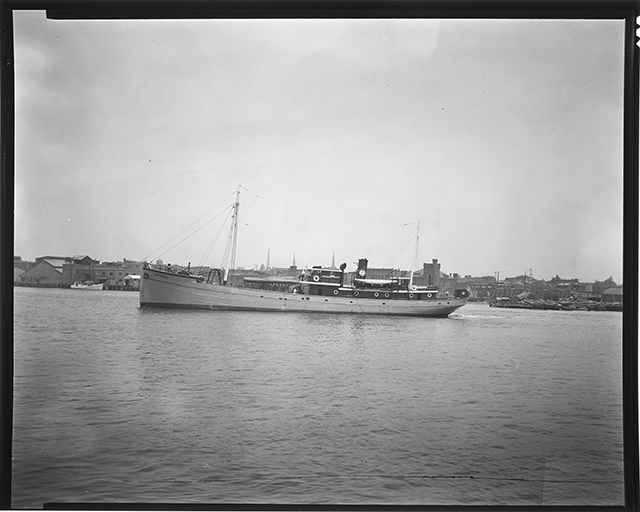 P10-142
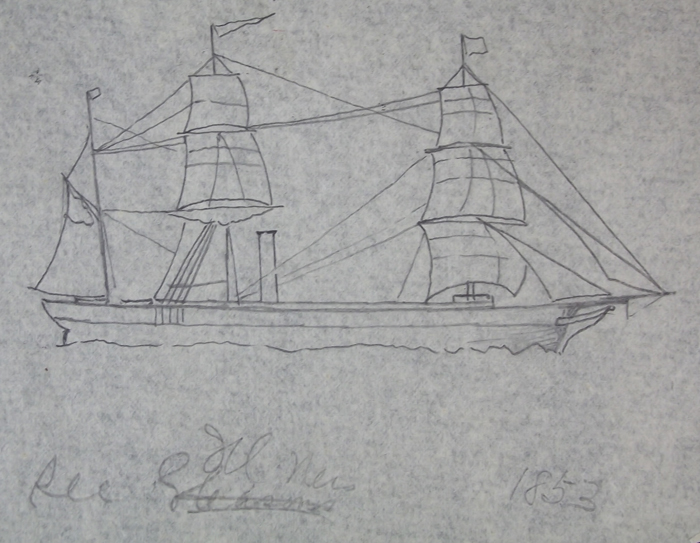 Full-size image
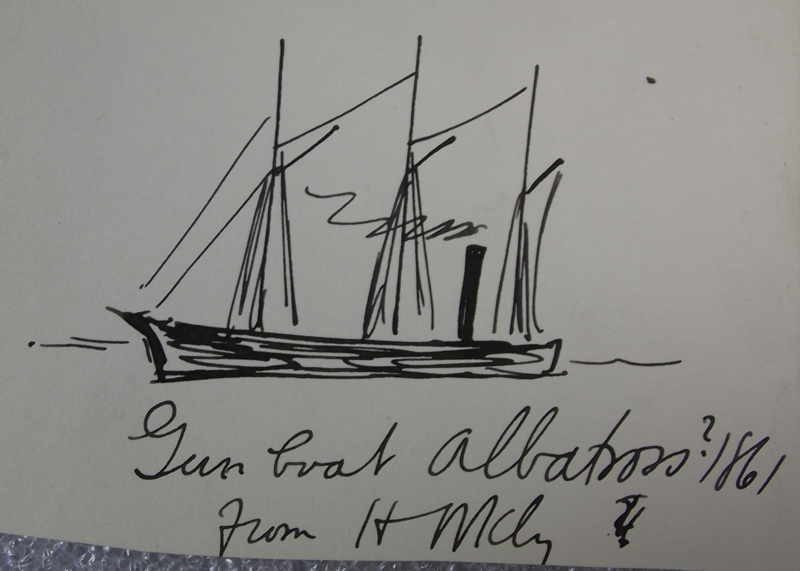 Full-size image
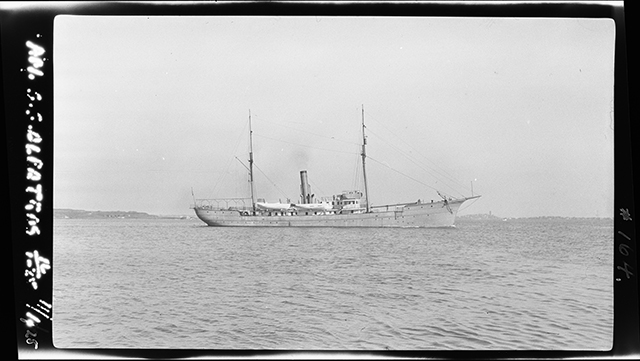 P0006-02-01-039-01
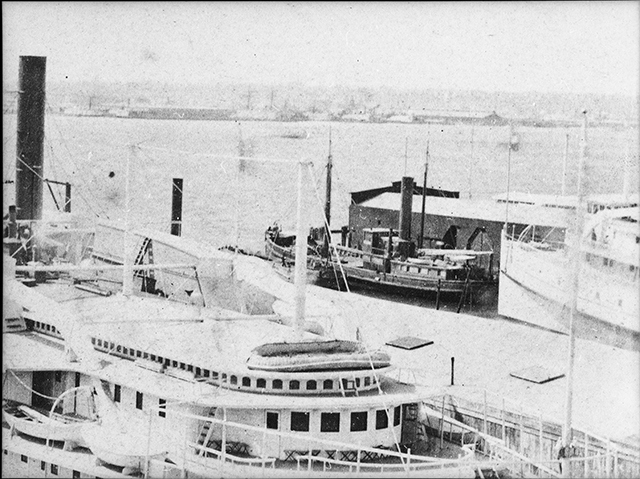 MS0091-03-02-0052
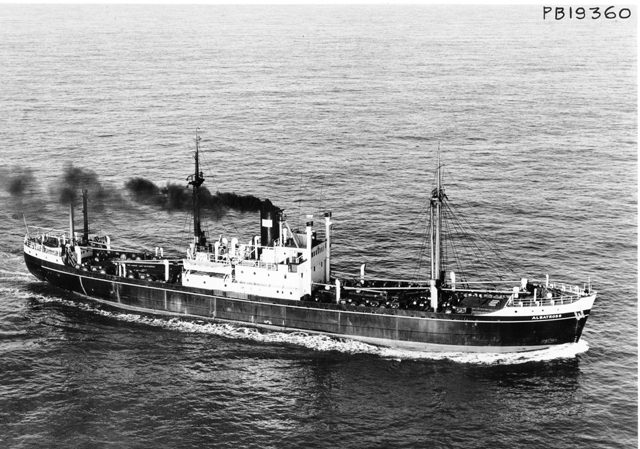 Full-size image
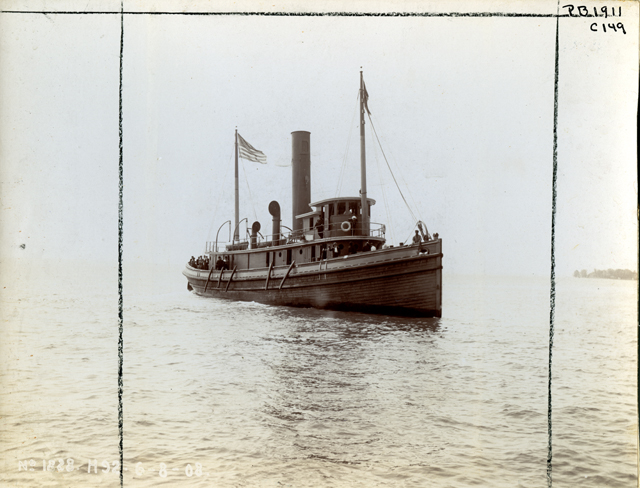 Full-size image
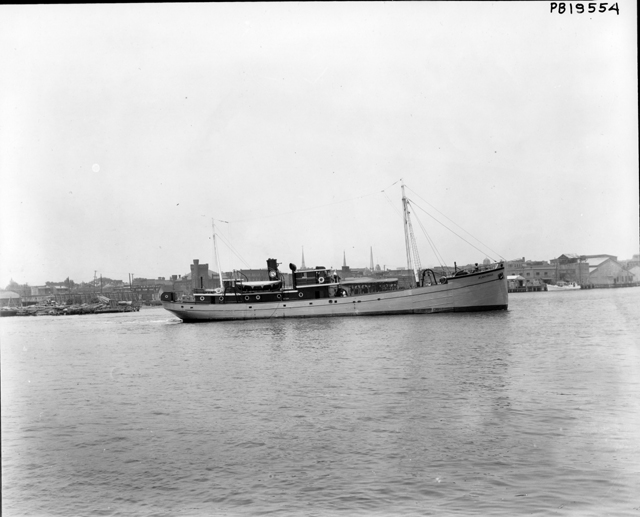 Full-size image
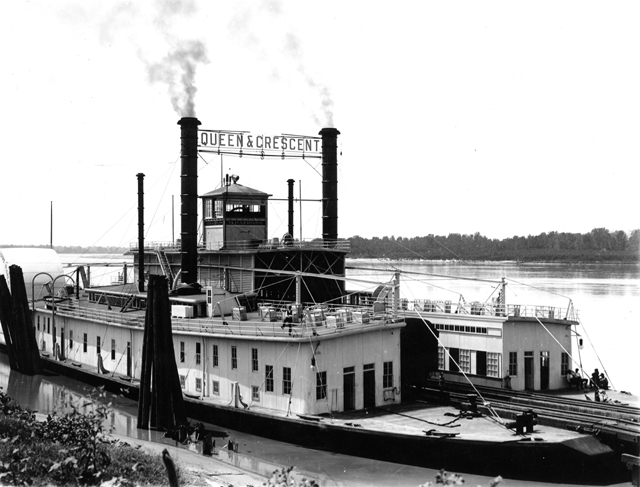 Full-size image
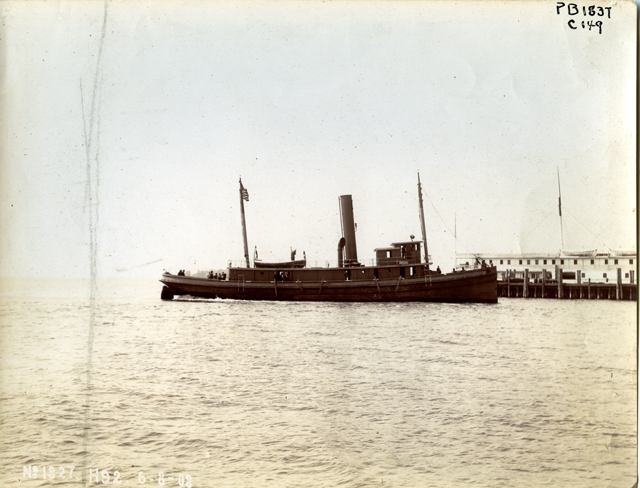 Full-size image
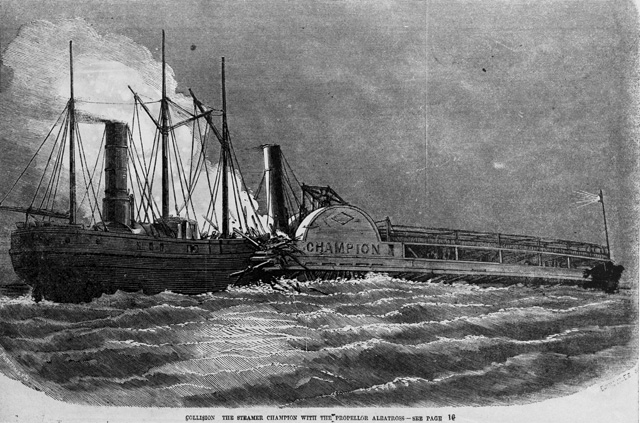 MS0091-03-02-51
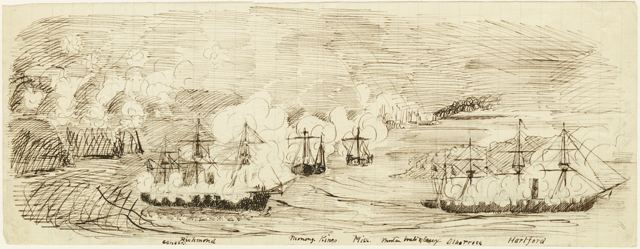 Full-size image
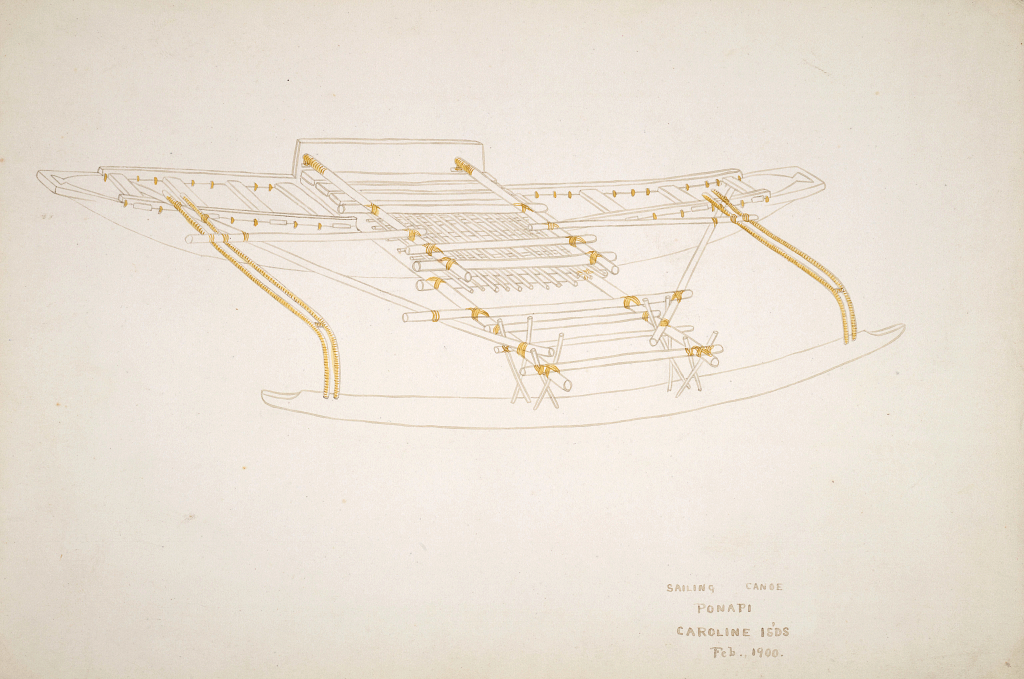 1934.0097.000003[1]
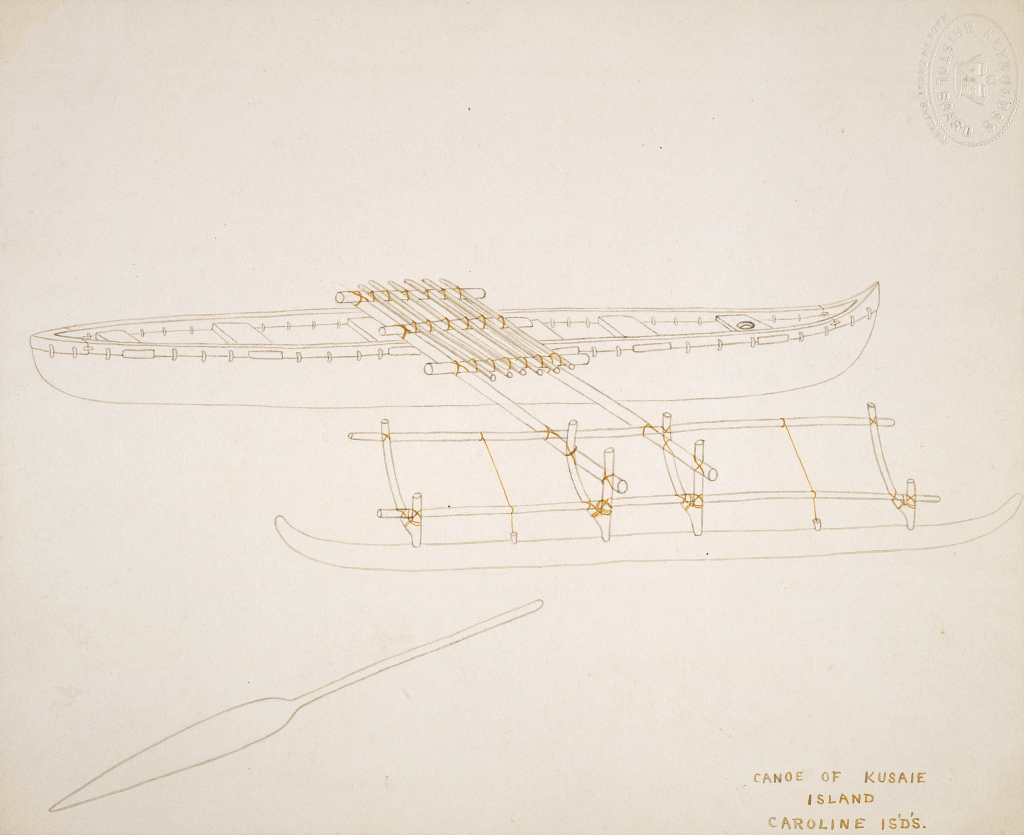 1934.0097.000006[1]
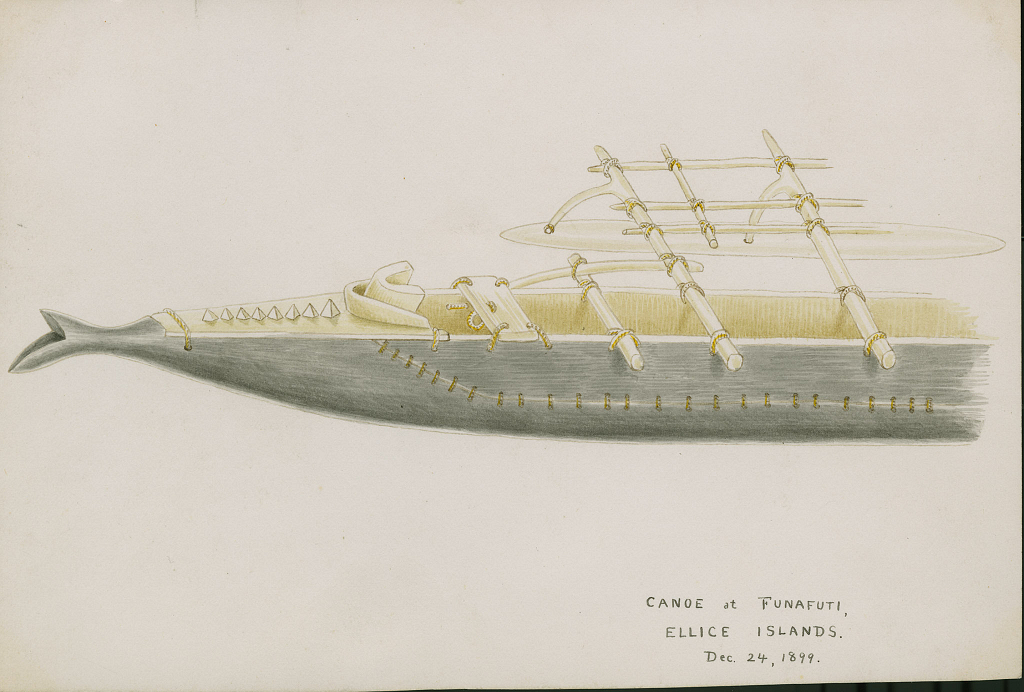 1934.0097.000004[1]
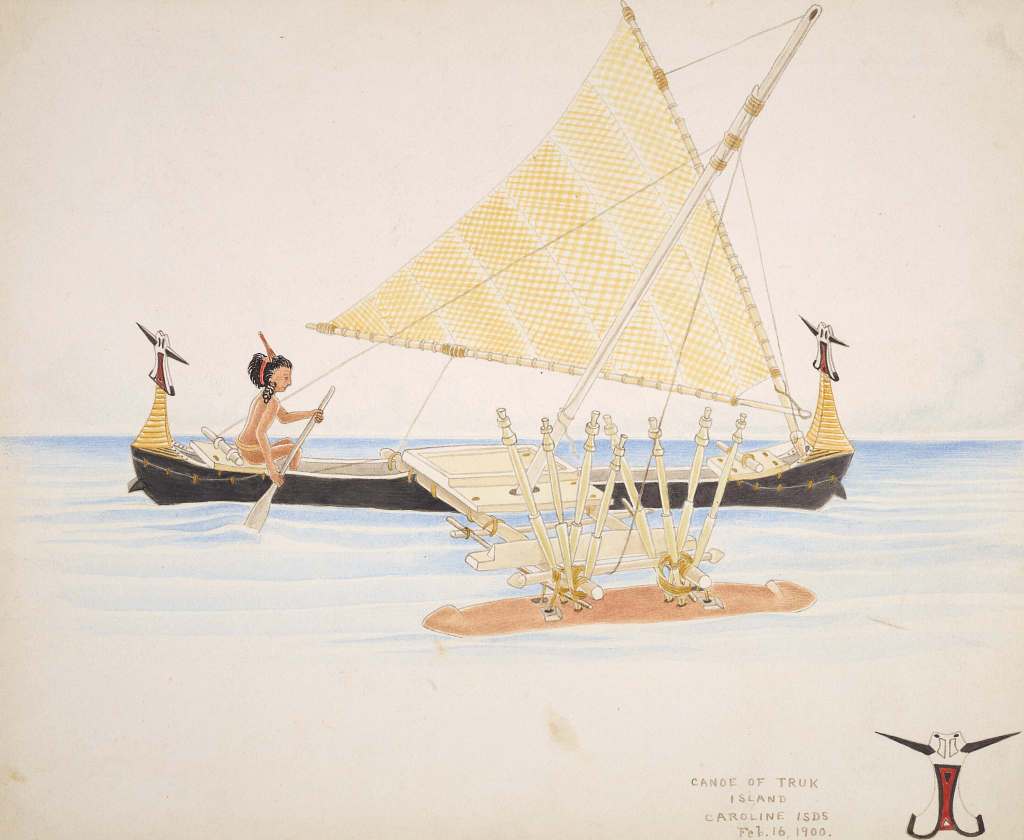 1934.0097.000002[1]
 Full-size image
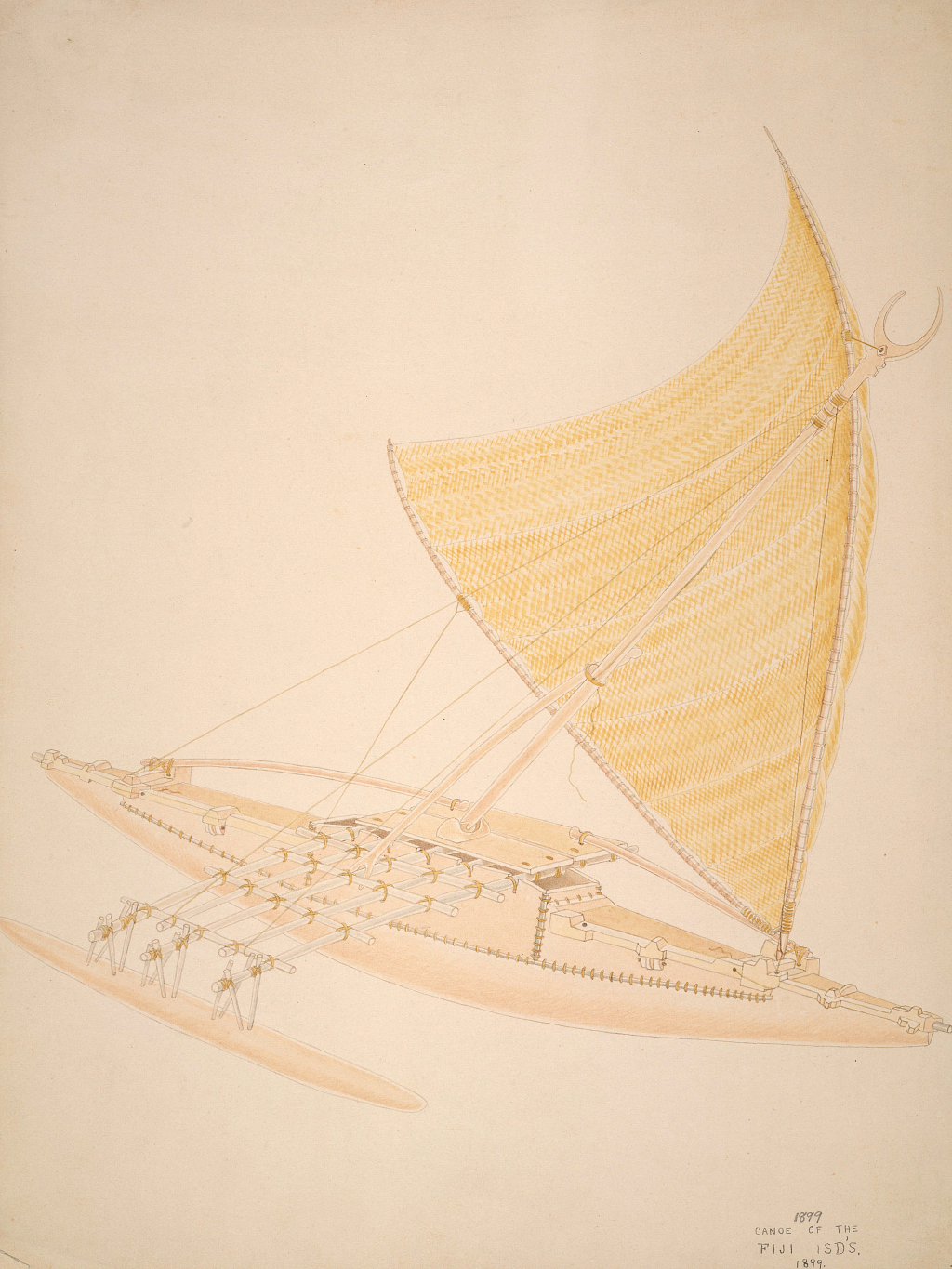 1934.0097.000007[1]
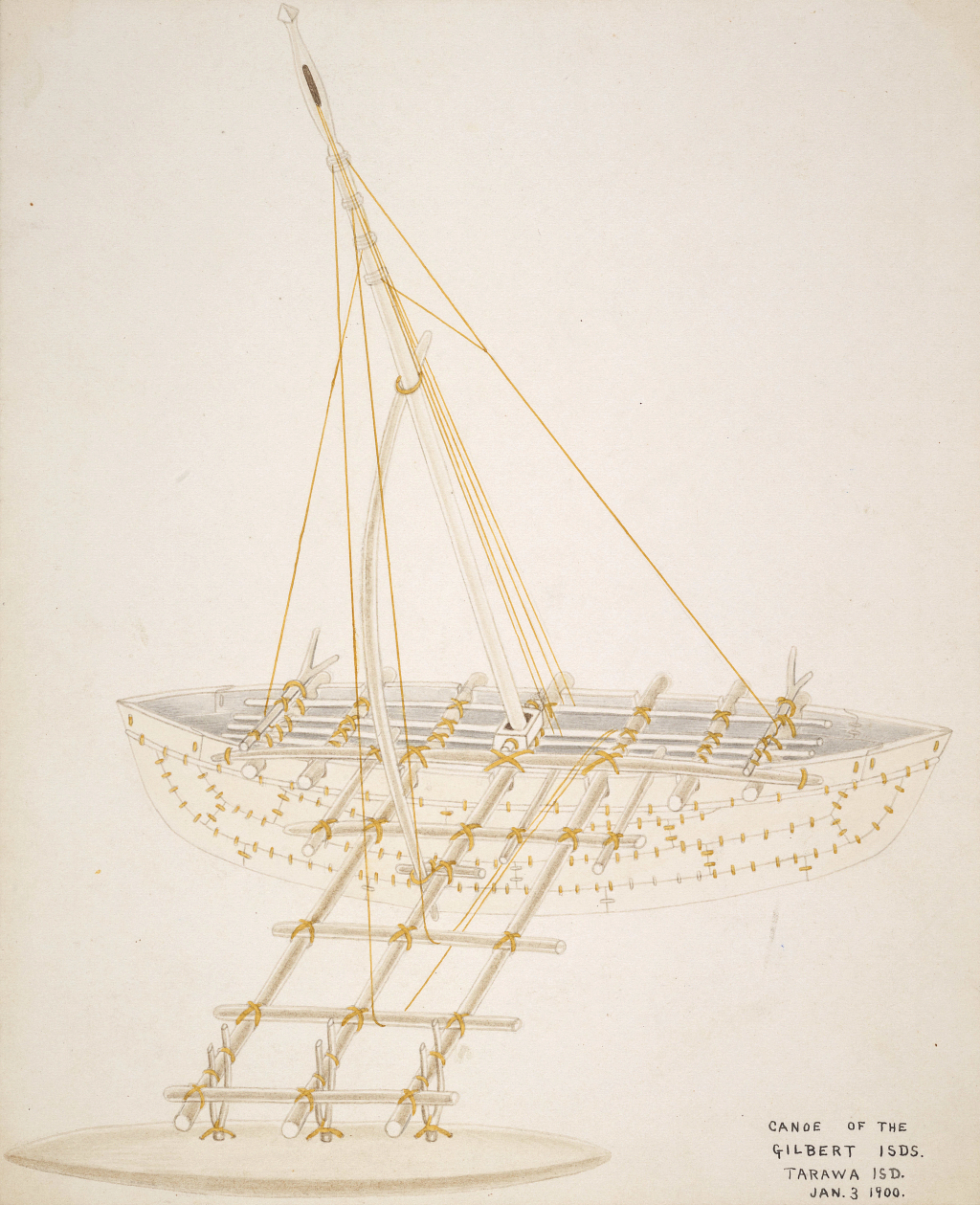 1934.0097.000001_01[1]
 MS0772-01 - 078
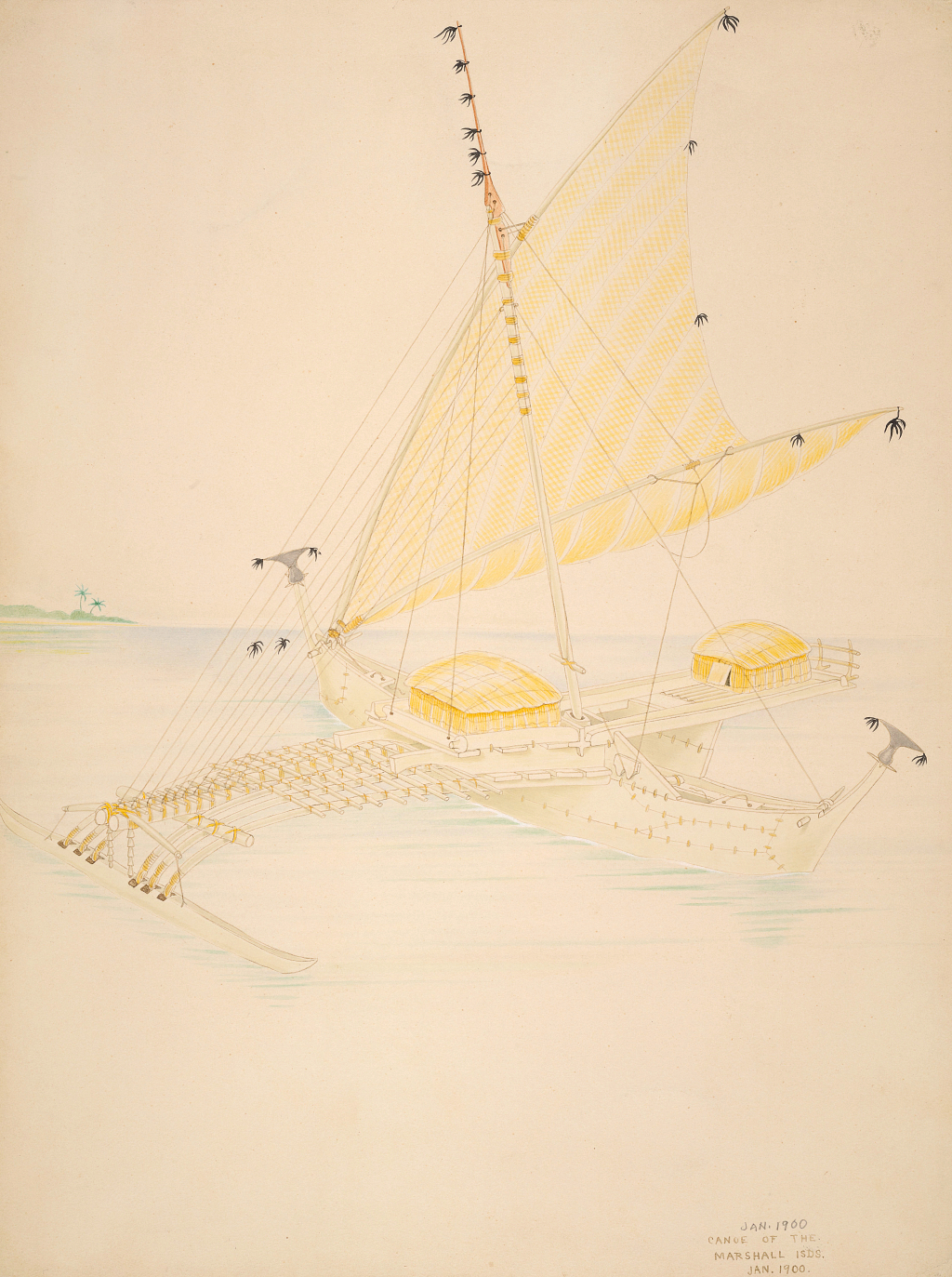 1934.0097.000008_01[1]
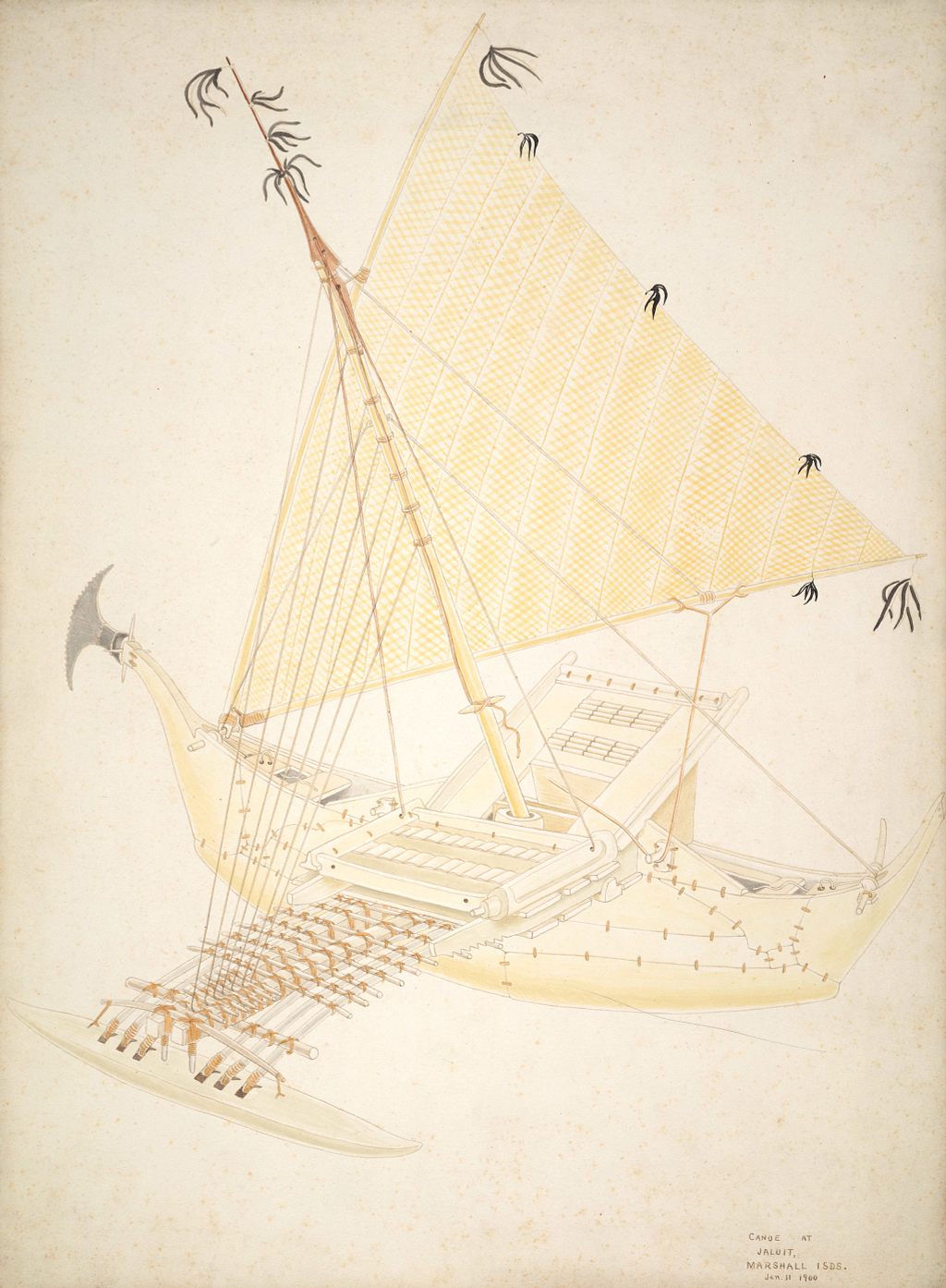 1934.0097.000010_01[1]
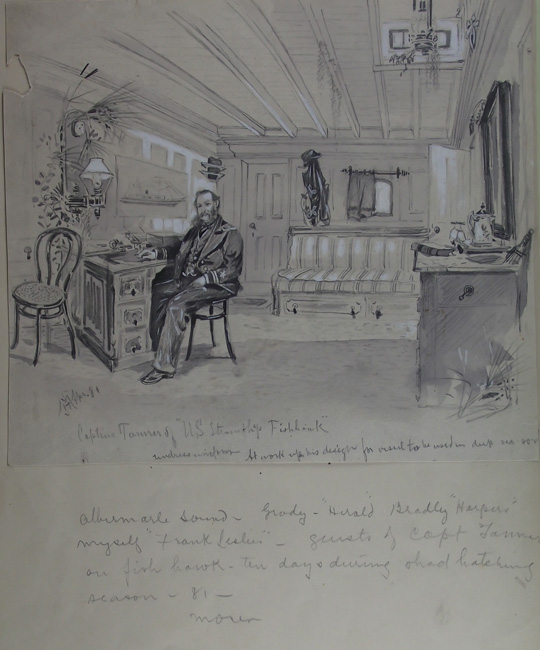 q328
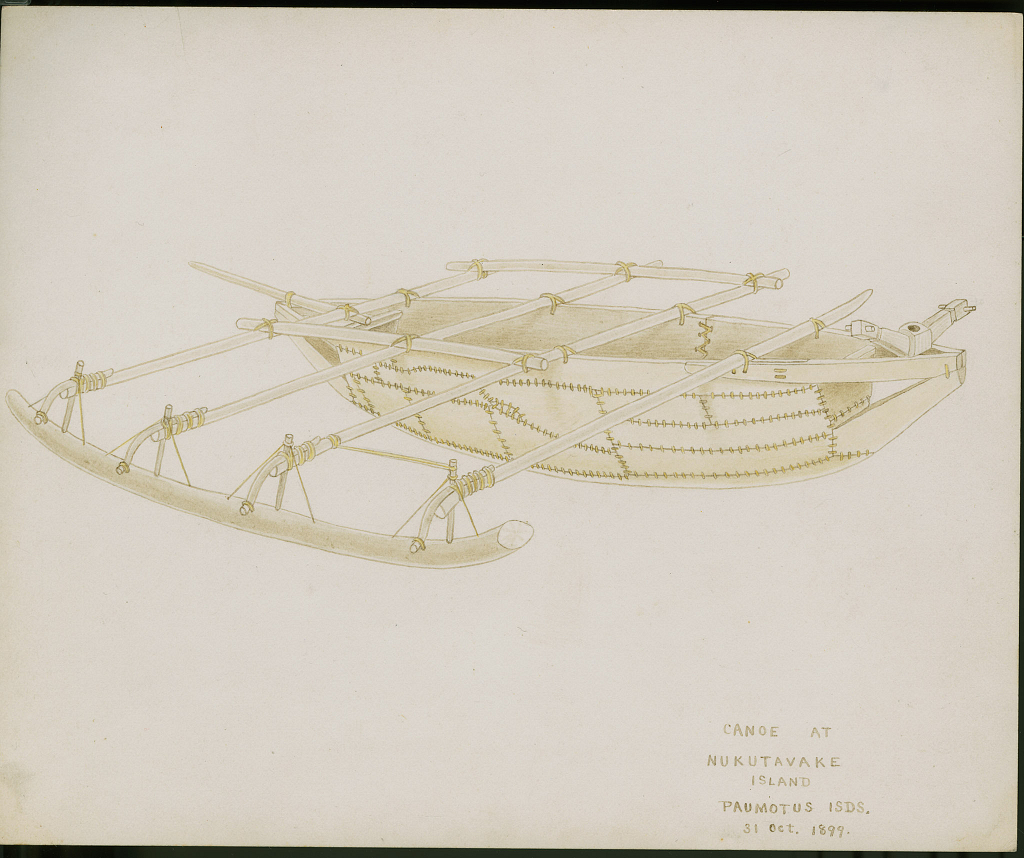 1934.0097.000005[1]
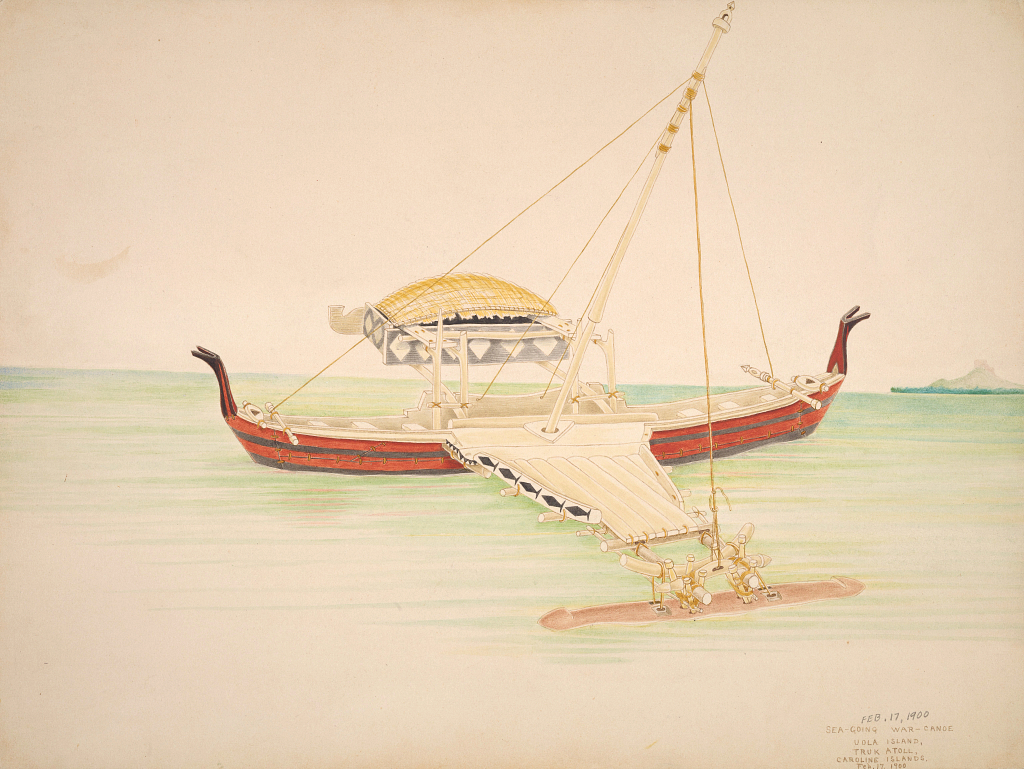 1934.0097.000009[1]
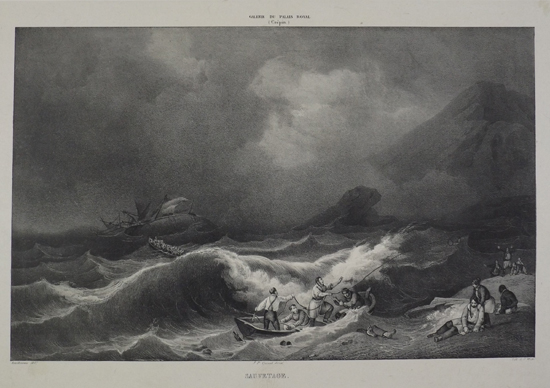 lp660
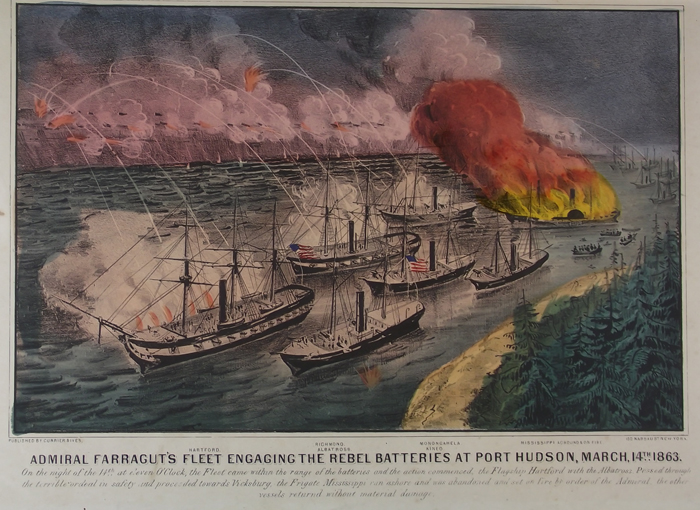 Full-size image
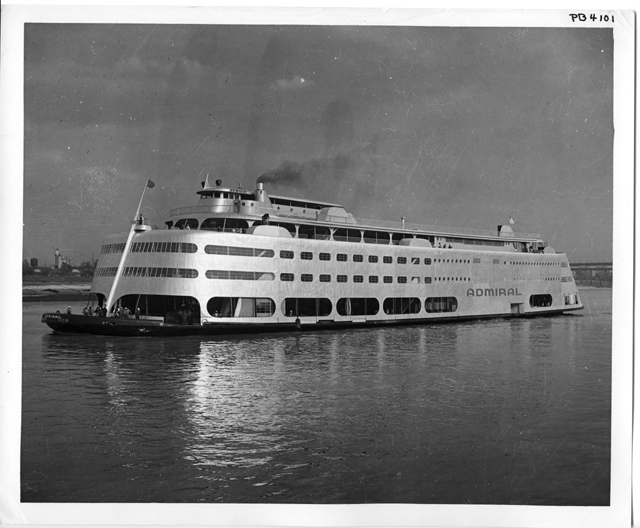 PB4101
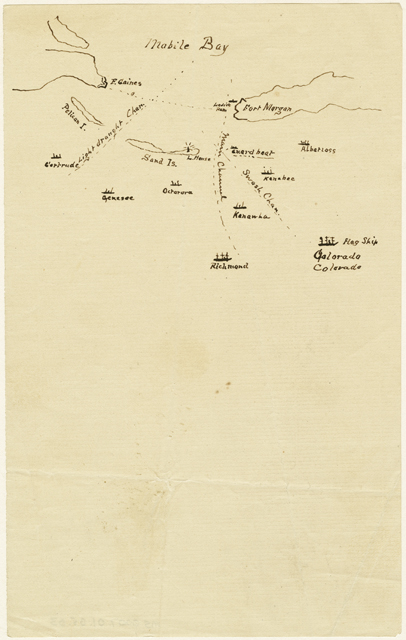 Full-size image
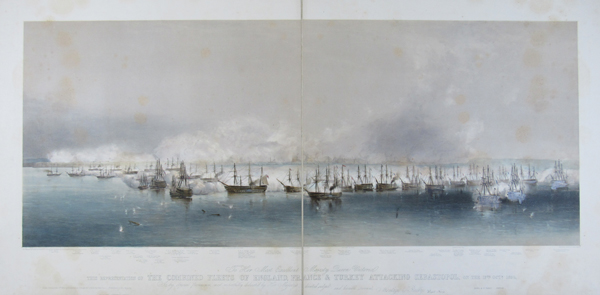 lp3365
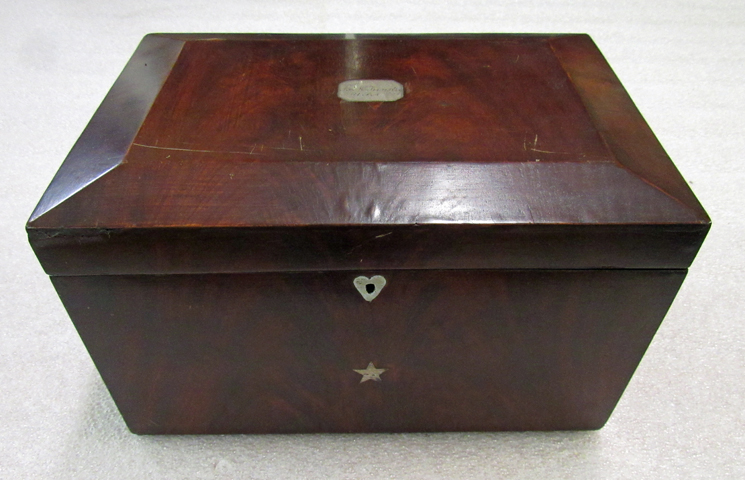 fc42a
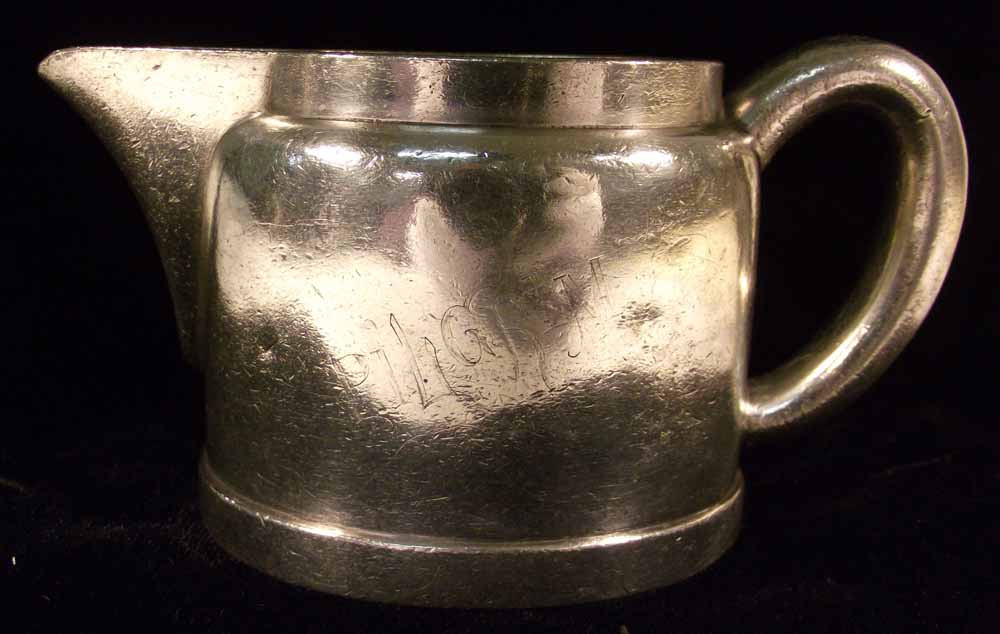 Full-size image
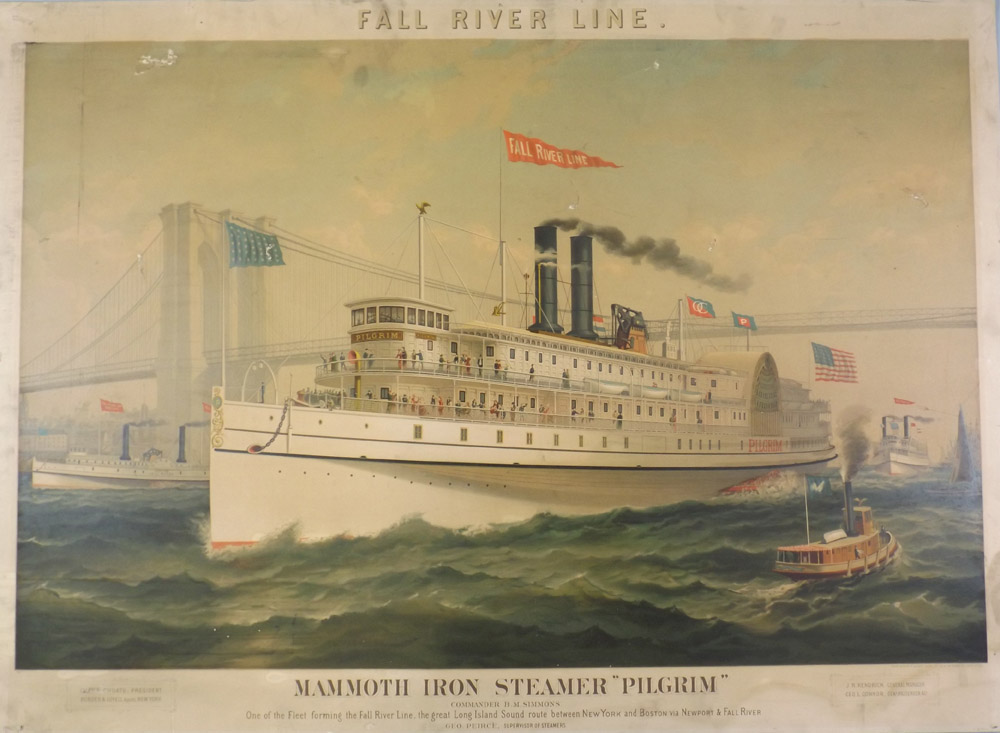 lp3551
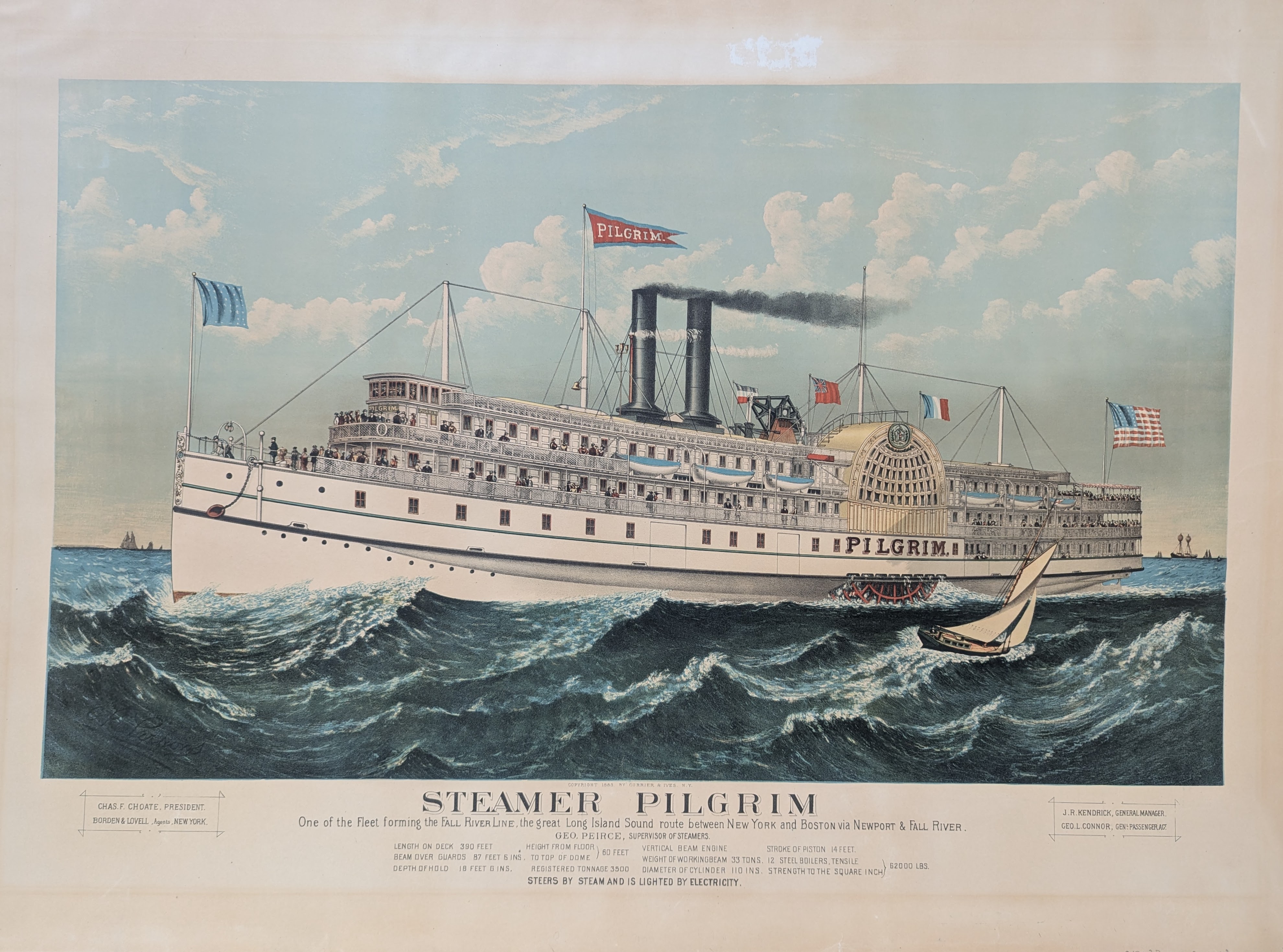 LP150-01
 lp2576
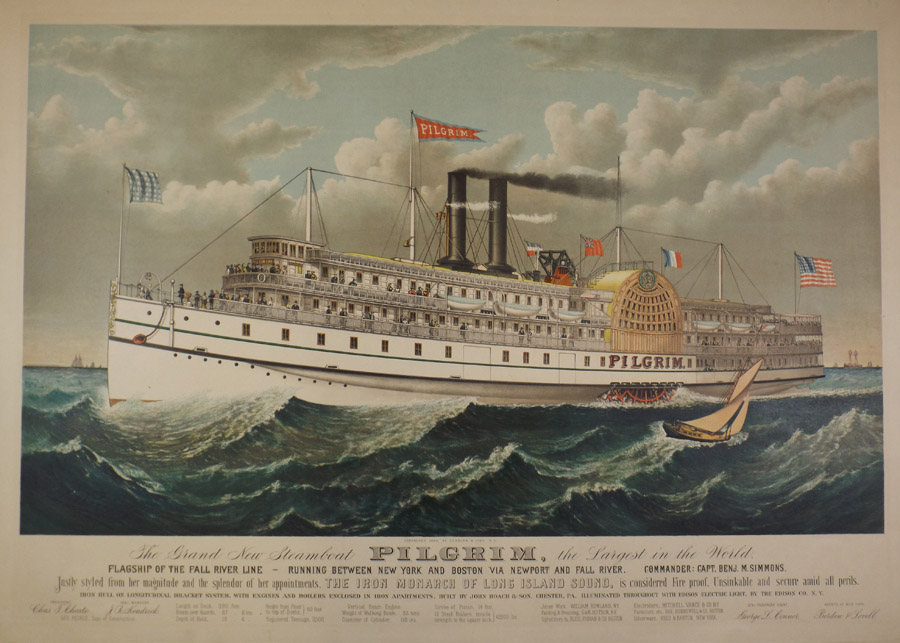 lp150-02